 Skip to content
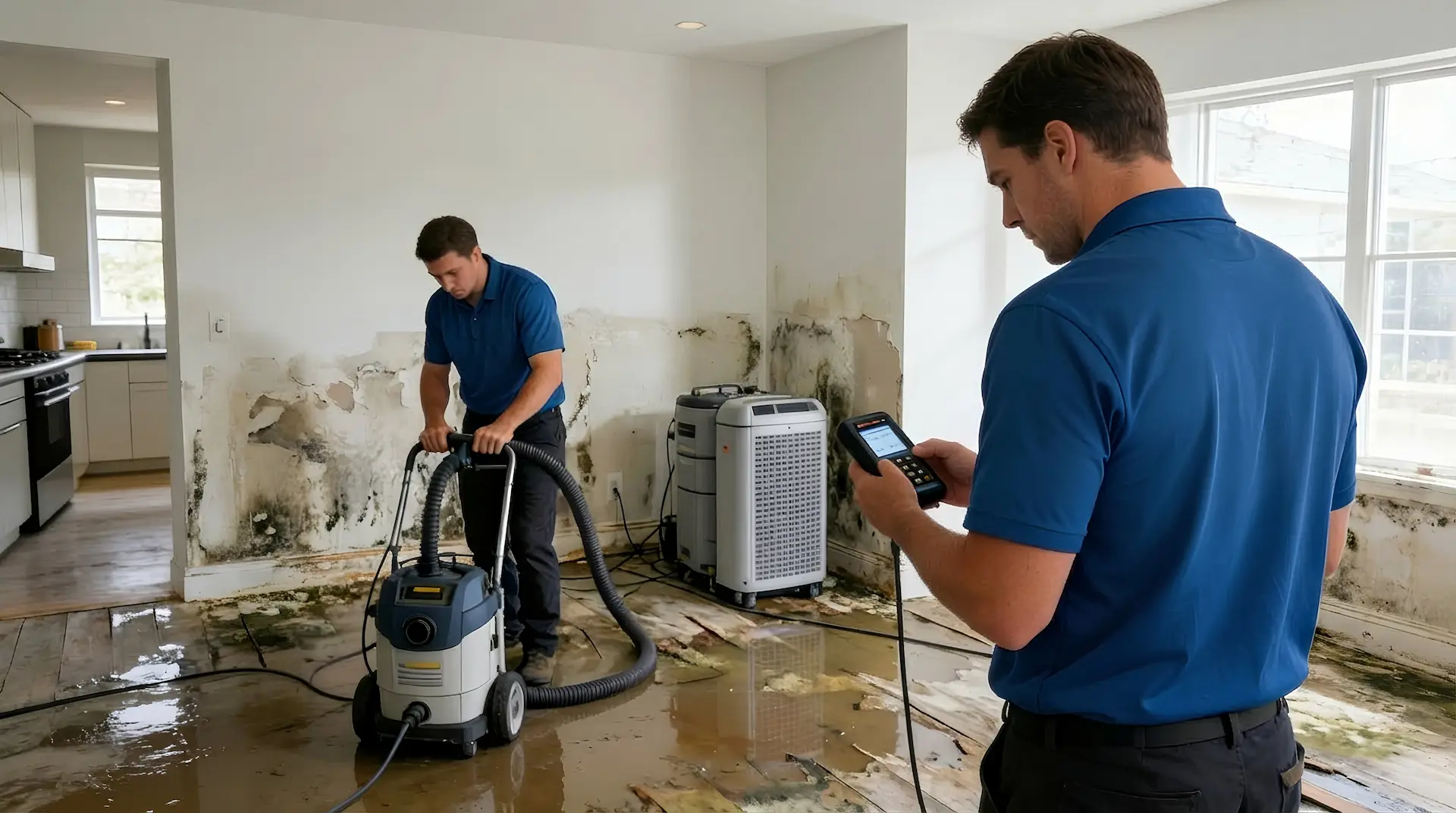
Experiencing water damage can be a stressful event for any property owner. From burst pipes to severe weather, the aftermath often leaves a trail of destruction. The crucial question then becomes: when is professional water damage restoration not just a necessary expense, but a sound investment in your property’s future? This guide will help you understand the factors that determine the value of professional restoration services.
Key points
- Assess the full scope of water damage, including hidden moisture.
- Understand the difference between clean, gray, and black water.
- Neglecting water damage can lead to costly structural issues and mold growth.
- Reconstruction or structural restoration is needed when building integrity is compromised.
- Professional restoration protects property value and occupant health.
- Fire damage restoration is a distinct but equally critical service.
Assessing the Scope of Water Damage
The first step in determining the value of water damage restoration is a thorough assessment of the affected areas. Minor leaks might be manageable with DIY efforts, but widespread saturation, structural compromise, or contamination requires professional intervention. Professionals can identify the full extent of the damage, including hidden moisture within walls and under flooring, which, if left untreated, can lead to more severe issues like mold growth and structural decay. Understanding the source of the water – whether it’s clean, gray, or black water – is also critical, as it dictates the cleaning and sanitization methods required and influences the urgency and complexity of the restoration process.
The Long-Term Costs of Neglecting Restoration
Ignoring or underestimating the impact of water damage can lead to significantly higher costs down the line. What might seem like a minor inconvenience can escalate into major structural problems. For instance, persistent dampness can weaken building materials, leading to rot in wooden beams or the deterioration of drywall. This compromised integrity can necessitate extensive reconstruction or structural restoration, a far more costly undertaking than addressing the initial water intrusion. Furthermore, unchecked moisture is a breeding ground for mold, which can pose serious health risks and require specialized remediation, adding another layer of expense and complexity.
When Reconstruction Becomes Necessary
In severe cases, water damage goes beyond mere surface-level repairs. If the structural integrity of your property has been compromised, reconstruction or structural restoration becomes essential. This can involve repairing or replacing damaged framing, subflooring, roofing, or even entire sections of the building. Professional restoration services are equipped to handle these extensive repairs, ensuring that the work is done safely, effectively, and up to current building codes. Investing in this level of restoration protects not only the physical structure but also the long-term value and habitability of your property.
Protecting Your Investment and Health
Water damage restoration is more than just fixing a leak; it’s about preserving the value of your property and safeguarding the health of its occupants. A properly restored property retains its market value and avoids the pitfalls of long-term damage. For businesses, timely and effective water damage restoration minimizes downtime, preventing significant financial losses. For homeowners, it ensures a safe and healthy living environment. Considering the potential for escalating costs, health hazards, and diminished property value, professional water damage restoration and subsequent reconstruction often prove to be a wise and necessary investment.
Fire Damage Restoration: A Different but Related Concern
While this discussion focuses on water damage, it’s worth noting that fire damage restoration presents its own set of challenges and considerations. The immediate aftermath of a fire requires rapid response to mitigate further damage from water used in firefighting and to address structural instability. Like water damage, fire damage can penetrate deep into materials, leaving behind soot, smoke residues, and potential structural weaknesses. Professional fire damage restoration services are crucial for safely and effectively cleaning, deodorizing, and rebuilding affected areas, ensuring the property can be safely reoccupied.
Common questions
Is it always worth calling professionals for water damage?
It is generally worth calling professionals for water damage when the affected area is extensive, the water source is contaminated (gray or black water), or there are signs of structural compromise. Minor, clean water leaks might be handled DIY, but professional assessment ensures all hidden damage is found and addressed.
What are the long-term risks of not doing water damage restoration?
The long-term risks include the development of mold and mildew, which can cause health problems and require expensive remediation. Structural integrity can be compromised, leading to rot and weakening of building materials. Property value can decrease significantly due to persistent damage and unsanitary conditions.
When does water damage require reconstruction or structural restoration?
Reconstruction or structural restoration is required when water damage has affected the load-bearing elements of the property, such as beams, joists, or wall studs. This level of damage necessitates professional repair or replacement to ensure the building’s safety and stability.
How does water damage restoration protect my property’s value?
Proper water damage restoration prevents secondary issues like mold and structural rot, which significantly devalue a property. By restoring the property to its pre-damage condition, its marketability and value are preserved.
Are fire damage restoration services similar to water damage restoration?
Both fire and water damage restoration require specialized expertise and equipment. While water damage focuses on moisture removal and preventing mold, fire damage restoration involves cleaning soot and smoke residues, deodorizing, and addressing structural issues caused by fire and firefighting efforts. Both aim to return the property to a safe and habitable state.

