Skip to content
When mold is discovered in a home or business, understanding the timeline for its removal is crucial. The process of mold remediation can vary significantly, from a few days to several weeks. Several factors determine how long mold remediation takes, impacting your ability to resume normal activities in the affected space. Addressing mold promptly is essential for health and property integrity.
Key points
- Project duration is determined by the scope and severity of mold contamination.
- Containment, removal, cleaning, and drying are key stages influencing the timeline.
- Underlying water damage restoration needs will extend the remediation period.
- Reconstruction or structural restoration adds time to the overall project.
- Building material type and environmental conditions impact drying and cleaning efficiency.
Assessing the Scope of Mold Contamination
The initial assessment by a professional mold remediation team is the first step in determining project length. This involves identifying all affected areas, even those not immediately visible. The size and severity of the mold growth are primary drivers of the timeline. Minor surface mold on a single wall will naturally require less time than extensive growth throughout multiple rooms or within HVAC systems. Professionals use specialized equipment to detect hidden mold, ensuring a thorough evaluation that informs the remediation plan and its estimated duration.
The Remediation Process and Its Stages
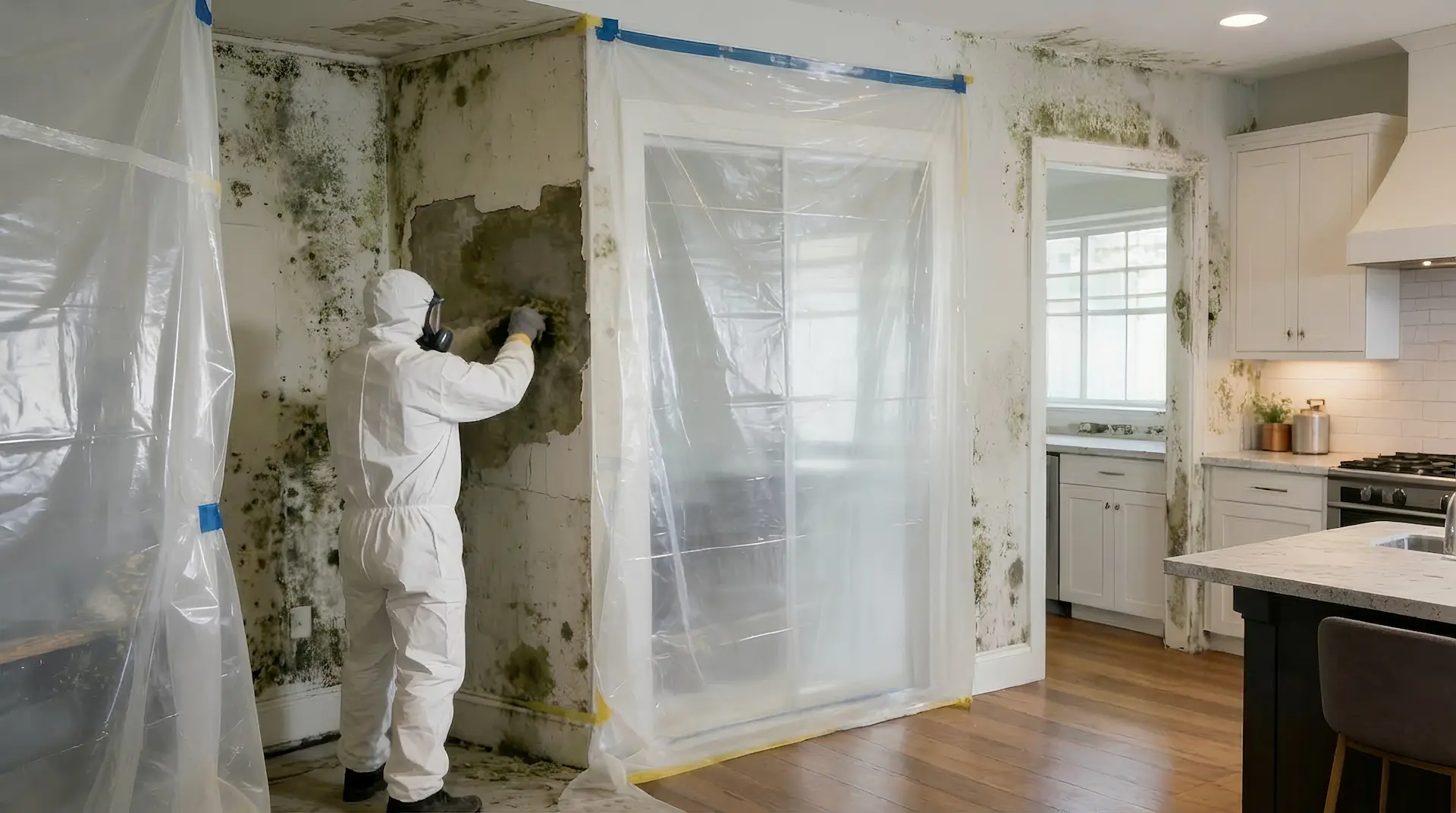
Mold remediation is a multi-stage process. It begins with containment, where professionals set up barriers to prevent airborne mold spores from spreading to unaffected areas. This is followed by the removal of contaminated materials, such as drywall, insulation, or carpeting, if they cannot be effectively cleaned. Next comes the cleaning and drying of affected surfaces using specialized solutions and dehumidification equipment. Finally, the area is verified to be free of mold, and any necessary reconstruction or structural restoration can begin. Each of these stages adds to the overall project time.
Impact of Water Damage Restoration
Often, mold growth is a consequence of underlying water issues. If significant water damage restoration is also required, the timeline will extend. This is particularly true if the water intrusion was extensive or prolonged, leading to widespread saturation of building materials. Addressing the source of the moisture is paramount before mold remediation can be fully effective. Drying out the structure completely is a critical step that can take days or even weeks, depending on the extent of the water damage and the building materials involved.
Reconstruction and Structural Restoration Needs
Following the effective removal of mold and addressing any water damage, reconstruction or structural restoration may be necessary. This phase involves repairing or replacing damaged building components, such as walls, ceilings, floors, or even structural elements. The complexity and scale of this reconstruction work directly influence the total project duration. Minor repairs might be completed quickly, while rebuilding larger sections of a property can take considerably longer.
Environmental Factors and Building Materials
Environmental conditions within the property can also affect how long mold remediation takes. High humidity, poor ventilation, and the type of building materials present play a role. Porous materials like drywall and carpeting are more susceptible to mold and can be harder to clean thoroughly than non-porous surfaces like glass or metal. The age and construction of the building might also influence the complexity of the remediation and subsequent restoration efforts. Proper ventilation and humidity control are key to efficient drying and preventing future issues.
Coordination and Drying Times
Effective mold remediation requires careful coordination between different specialists if other services, like fire damage restoration or extensive water damage restoration, are also needed. Furthermore, the drying process itself can be time-consuming. Professionals use industrial-grade dehumidifiers and air movers to expedite drying, but it still requires sufficient time to ensure all moisture is removed from building materials. Rushing this critical step can lead to recurring mold problems. The project’s duration is often dictated by how quickly the environment can be returned to a dry state.
See our Mold Remediation page for how Allinhomerestoration can help.
Common questions
What is the typical timeframe for mold remediation?
The typical timeframe for mold remediation can range from a few days for small, localized issues to several weeks for extensive contamination and subsequent reconstruction. The specific duration depends heavily on the size of the affected area, the severity of the mold, and any necessary water damage restoration or reconstruction work.
How does the extent of mold growth affect the timeline?
The extent of mold growth is a primary factor in determining project length. Minor surface mold might be addressed in a day or two, whereas widespread contamination affecting multiple rooms, structural components, or HVAC systems will require significantly more time for containment, removal, cleaning, and verification.
Does water damage restoration extend mold remediation time?
Yes, water damage restoration often extends the overall project timeline. If mold growth resulted from significant water intrusion, the source of moisture must be addressed, and the building materials thoroughly dried before mold remediation can be completed. This drying phase can be lengthy.
How long does reconstruction take after mold removal?
The time required for reconstruction or structural restoration after mold removal varies greatly. It depends on the amount of damaged material that needs to be replaced, such as drywall, flooring, or insulation, and the complexity of the repairs. Simple repairs might take a few days, while rebuilding larger sections can take weeks.