Skip to content
When disaster strikes your property, whether from water damage, fire, or other structural issues, the immediate aftermath can be overwhelming. Beyond the initial cleanup, you’ll face a critical decision: is it time for reconstruction and structural restoration, or is the damage too extensive? Understanding when these services are a worthwhile investment is key to protecting your property’s value and safety.
Key points
- Thorough damage assessment is crucial for deciding on restoration.
- Restoration is financially viable when repair costs are lower than rebuilding.
- Structural integrity is paramount for safety and long-term stability.
- Compare restoration costs against demolition and rebuild expenses.
- Invest in restoration for enhanced long-term property value and resilience.
Assessing the Scope of Damage
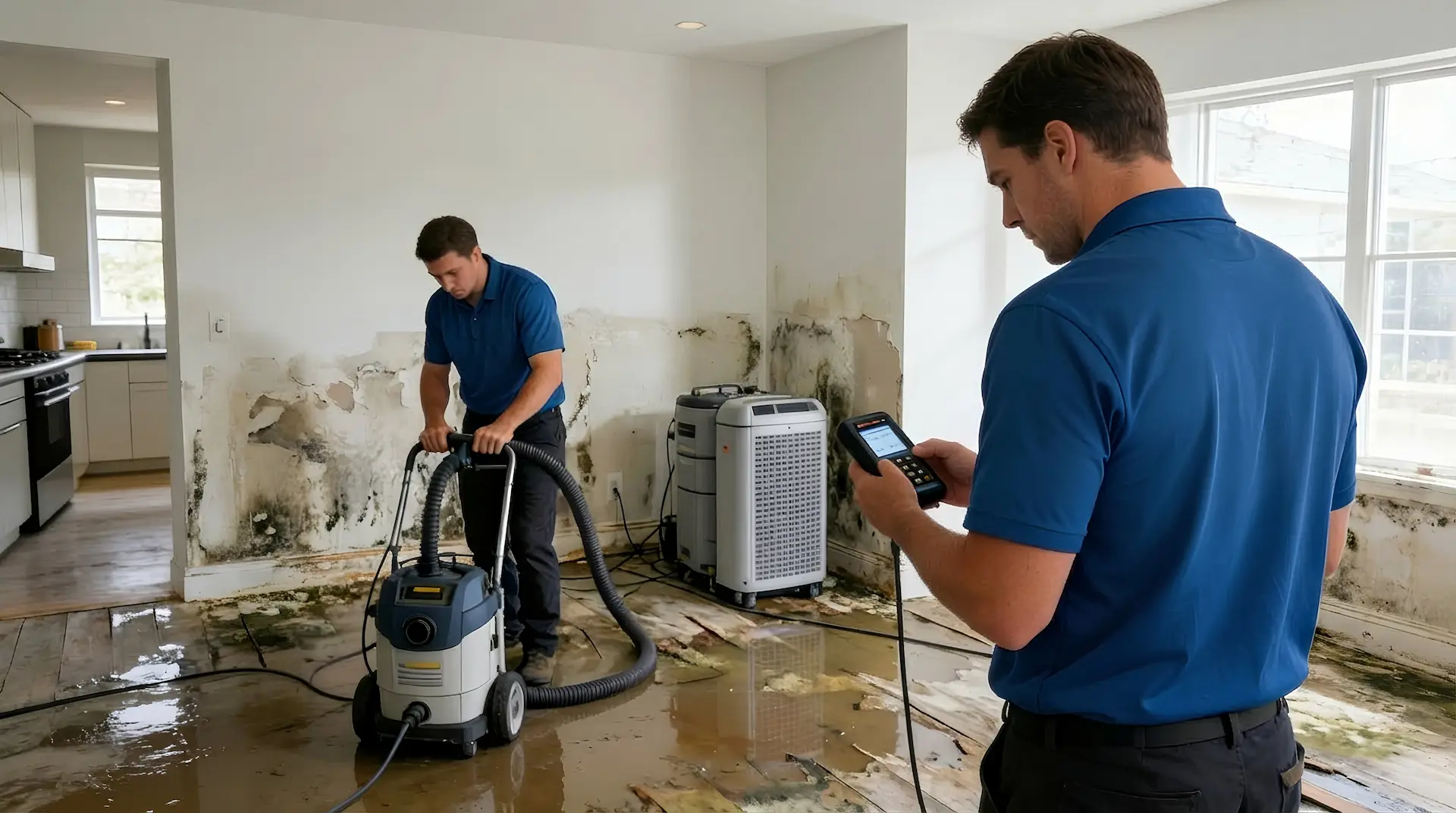
The first step in determining the value of reconstruction and structural restoration is a thorough assessment of the damage. This involves identifying the extent of structural compromise, the materials affected, and any potential secondary issues like mold growth. Professionals in water damage restoration and fire damage restoration can provide expert evaluations. They can pinpoint the load-bearing elements that may have been weakened and the overall integrity of the building. This detailed inspection forms the basis for any repair or rebuilding plan. Without a clear understanding of the problem’s scale, it’s impossible to gauge the feasibility or cost-effectiveness of restoration.
When Reconstruction Makes Financial Sense
Reconstruction and structural restoration are often a sound financial decision when the cost of repairs is significantly less than the property’s value or the cost of rebuilding from scratch. If the core structure remains sound, and the damage is primarily to finishes, fixtures, or specific sections of the building, restoration can be highly cost-effective. It allows you to salvage much of the existing property, preserving its character and potentially avoiding the higher expenses associated with new construction. This approach is particularly beneficial for historic properties or homes with unique architectural features that would be difficult or impossible to replicate.
The Importance of Structural Integrity
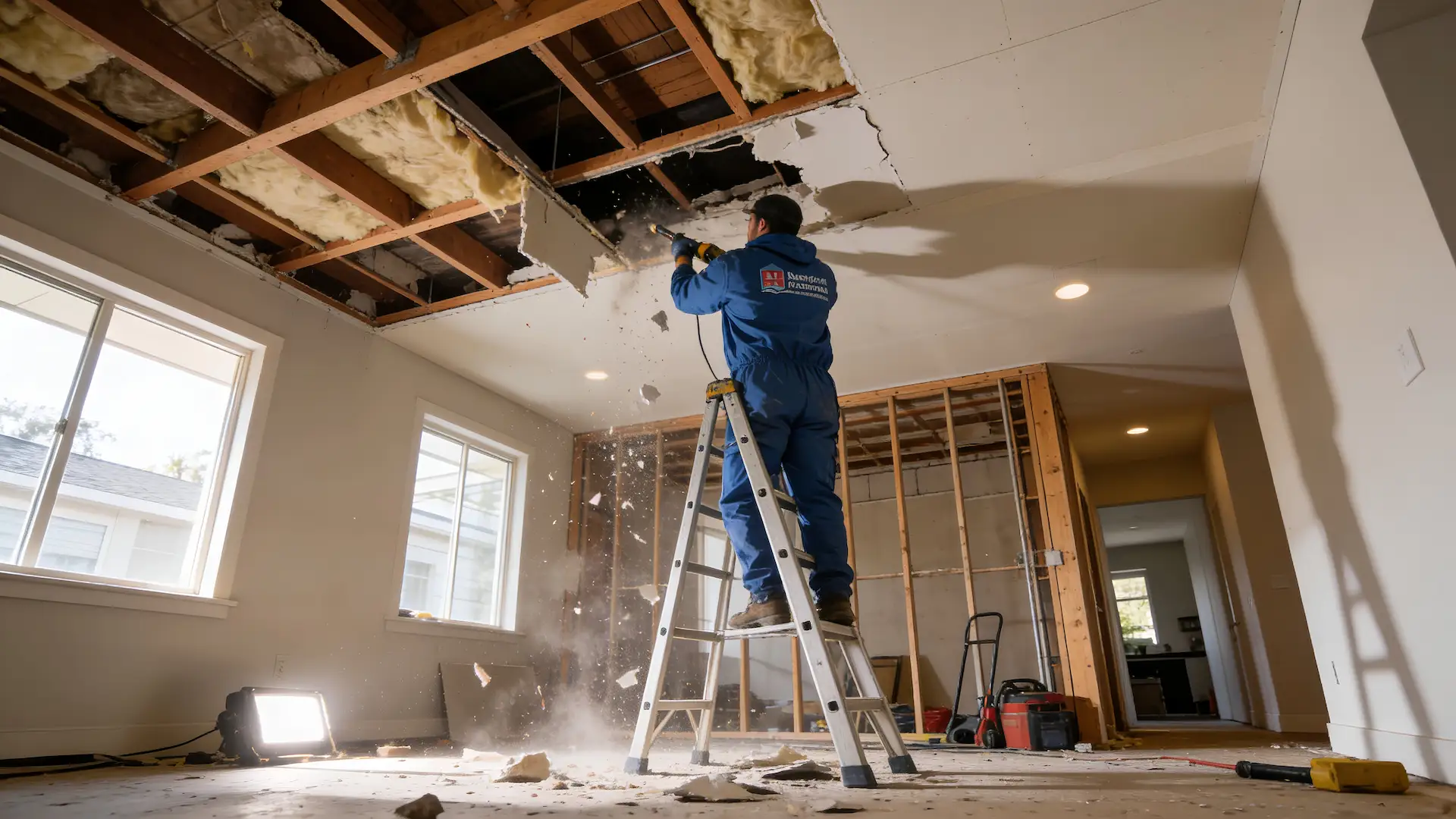
Structural restoration is not just about aesthetics; it’s fundamentally about safety and long-term stability. After events like severe storms, fires, or significant water damage, the load-bearing capacity of your building can be compromised. Ignoring these issues can lead to further deterioration, potential collapse, and significant safety hazards. Services focused on structural restoration ensure that all repairs address the underlying problems, reinforcing weakened areas and bringing the property back to its pre-damage condition, or even better. This is crucial for maintaining insurance coverage and ensuring the property is safe for occupancy.
Comparing Restoration vs. Demolition and Rebuild
Deciding between reconstruction and a complete rebuild involves weighing several factors. The extent of the damage is paramount. If the foundation, framing, and essential structural elements are largely intact, reconstruction is usually the more practical and economical choice. It involves repairing or replacing damaged components, re-establishing systems like plumbing and electrical, and restoring finishes. A full demolition and rebuild, conversely, is typically considered when the damage is so pervasive that repairing it would be more costly or less effective than starting over. This often includes situations where the structure is deemed unsalvageable or heavily contaminated.
Considering Long-Term Value and Future Risks
Investing in thorough reconstruction and structural restoration can significantly enhance your property’s long-term value. A well-executed restoration not only repairs immediate damage but also addresses potential vulnerabilities, making the property more resilient to future events. For instance, after water damage restoration, implementing improved waterproofing or drainage can prevent recurrence. Similarly, fire damage restoration that includes upgraded safety features can offer better protection. This forward-looking approach ensures your investment in repairs yields lasting benefits, safeguarding your property and your peace of mind.
Common questions
When is reconstruction and structural restoration the right choice?
Reconstruction and structural restoration are the right choice when the cost of repairs is substantially less than rebuilding from scratch and the core structure of the property remains sound. This is often the case when damage is localized or primarily affects non-structural elements, allowing for cost-effective repair and preservation of the existing building.
How do I know if my property’s structure is compromised?
A compromised structure is typically indicated by visible signs of sagging, cracking in walls or foundations, doors or windows that no longer fit their frames, or uneven floors. Professional assessments by experts in water damage restoration or fire damage restoration are essential for a definitive diagnosis, as they can identify internal weaknesses not immediately apparent.
What are the benefits of restoring over rebuilding?
The primary benefits of restoring over rebuilding include significant cost savings, preserving the original character and architectural integrity of the property, and often a faster timeline for completion. It allows homeowners to salvage valuable existing structures and features that might be difficult or impossible to replicate.
Can reconstruction improve my home’s resilience?
Yes, reconstruction can improve a home’s resilience by not only repairing existing damage but also by incorporating modern building codes and materials to enhance structural integrity and resistance to future hazards. This includes addressing potential weak points identified during the restoration process.