Skip to content
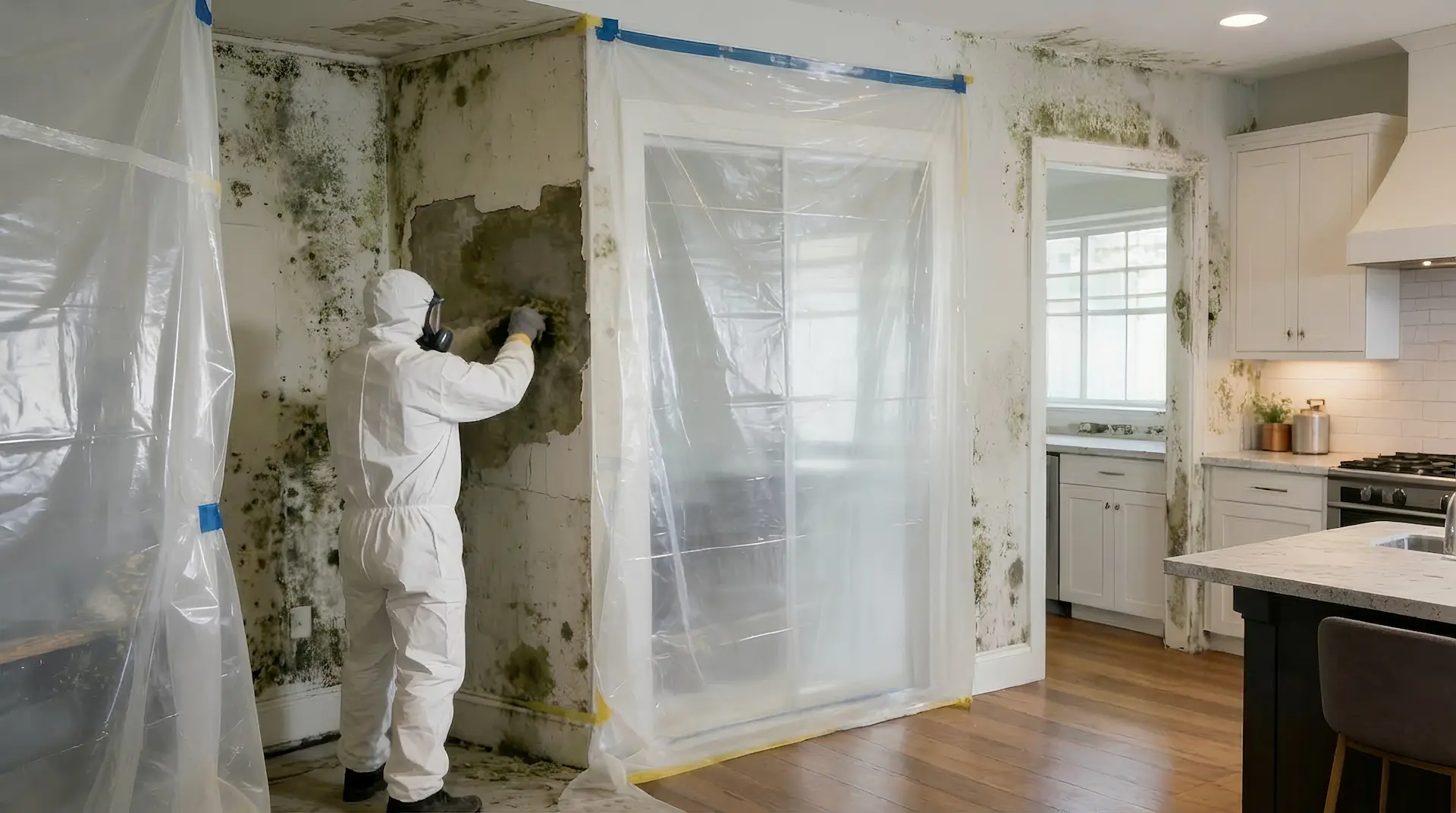
Encountering mold in your property can be unsettling. While some minor surface mold might seem manageable, understanding when professional mold remediation becomes a necessary and worthwhile investment is key to protecting your property’s structural integrity and the health of its occupants. This guide explores the critical factors that determine when professional intervention is not just beneficial, but essential.
Key points
- Assess the scale of mold growth: larger infestations require professional intervention.
- Identify and fix the moisture source to prevent mold recurrence.
- Prioritize mold remediation when health concerns or respiratory issues are present.
- Address mold promptly to prevent damage to structural materials.
- Professional mold remediation is essential after significant water damage or in complex situations.
Assessing the Scope of Mold Growth
The decision to undertake professional mold remediation often hinges on the extent of the infestation. Small, isolated patches of surface mold might be cleaned by a homeowner. However, when mold has spread extensively, particularly within wall cavities, under flooring, or in HVAC systems, professional services are almost always warranted. Significant growth indicates that mold may have penetrated porous materials, requiring specialized equipment and techniques to remove effectively and prevent recurrence. This is where services like Reconstruction / Structural Restoration might also become relevant if materials are too damaged to salvage.
Identifying the Source of Moisture
Mold requires moisture to thrive. If the source of water intrusion causing the mold growth is not identified and addressed, any remediation efforts will be temporary. Common sources include plumbing leaks, roof damage, or chronic condensation issues. Comprehensive Water Damage Restoration may be necessary to not only remove the mold but also to repair the underlying water problem. Without addressing the root cause, mold will inevitably return, making the initial remediation a wasted effort and expense.
Health Concerns and Air Quality
The health implications of mold exposure are a significant factor in deciding on professional mold remediation. Certain types of mold can trigger allergic reactions, asthma symptoms, and other respiratory problems, especially in sensitive individuals. If occupants are experiencing unexplained health issues, or if the mold is in living spaces, bedrooms, or areas where vulnerable individuals spend time, professional remediation is a crucial investment in health and well-being. Ensuring good indoor air quality is paramount.
Structural Integrity and Material Damage
Mold can compromise the structural integrity of a building over time. It feeds on organic materials like wood, drywall, and insulation. Extensive mold growth can weaken these materials, leading to costly structural damage if left unchecked. In such cases, professional mold remediation is often intertwined with Reconstruction / Structural Restoration services to repair or replace damaged components. Ignoring mold that affects structural elements can lead to much larger repair bills down the line.
When Professional Expertise is Non-Negotiable
There are situations where professional mold remediation is unequivocally the best course of action. This includes mold growth exceeding 10 square feet, mold developing after significant Water Damage Restoration events like floods or severe leaks, or if the mold is suspected to be toxic (e.g., Stachybotrys chartarum). Professionals have the training, equipment, and protective gear to safely contain and remove mold, test air quality, and ensure the affected areas are properly dried and restored. They can also handle Fire Damage Restoration if mold growth is a secondary consequence of fire-related water use.
Common questions
Is DIY mold removal ever sufficient?
DIY mold removal can be sufficient for very small, superficial areas of mold on non-porous surfaces, provided the moisture source is immediately corrected. However, for larger infestations, mold within porous materials, or in areas that affect air quality, professional mold remediation is strongly advised to ensure complete removal and prevent health risks.
How does water damage affect the need for mold remediation?
Significant water damage creates the ideal conditions for mold growth. If not dried thoroughly and quickly, mold can begin to grow within 24-48 hours. Professional Water Damage Restoration is crucial to dry out the property effectively, and subsequent mold remediation is often necessary to address any mold that has already appeared or is likely to develop.
Can mold remediation be combined with other restoration services?
Yes, mold remediation is frequently performed in conjunction with other restoration services. If mold is a result of water damage, Water Damage Restoration will be needed. If mold has caused structural issues, Reconstruction / Structural Restoration will be part of the process. Similarly, if a fire led to water use for suppression and subsequent mold, Fire Damage Restoration and mold remediation would be integrated.
What are the long-term benefits of professional mold remediation?
The long-term benefits of professional mold remediation include improved indoor air quality, prevention of further structural damage, protection of property value, and safeguarding the health of occupants by removing allergenic and potentially toxic mold spores.