 Skip to content
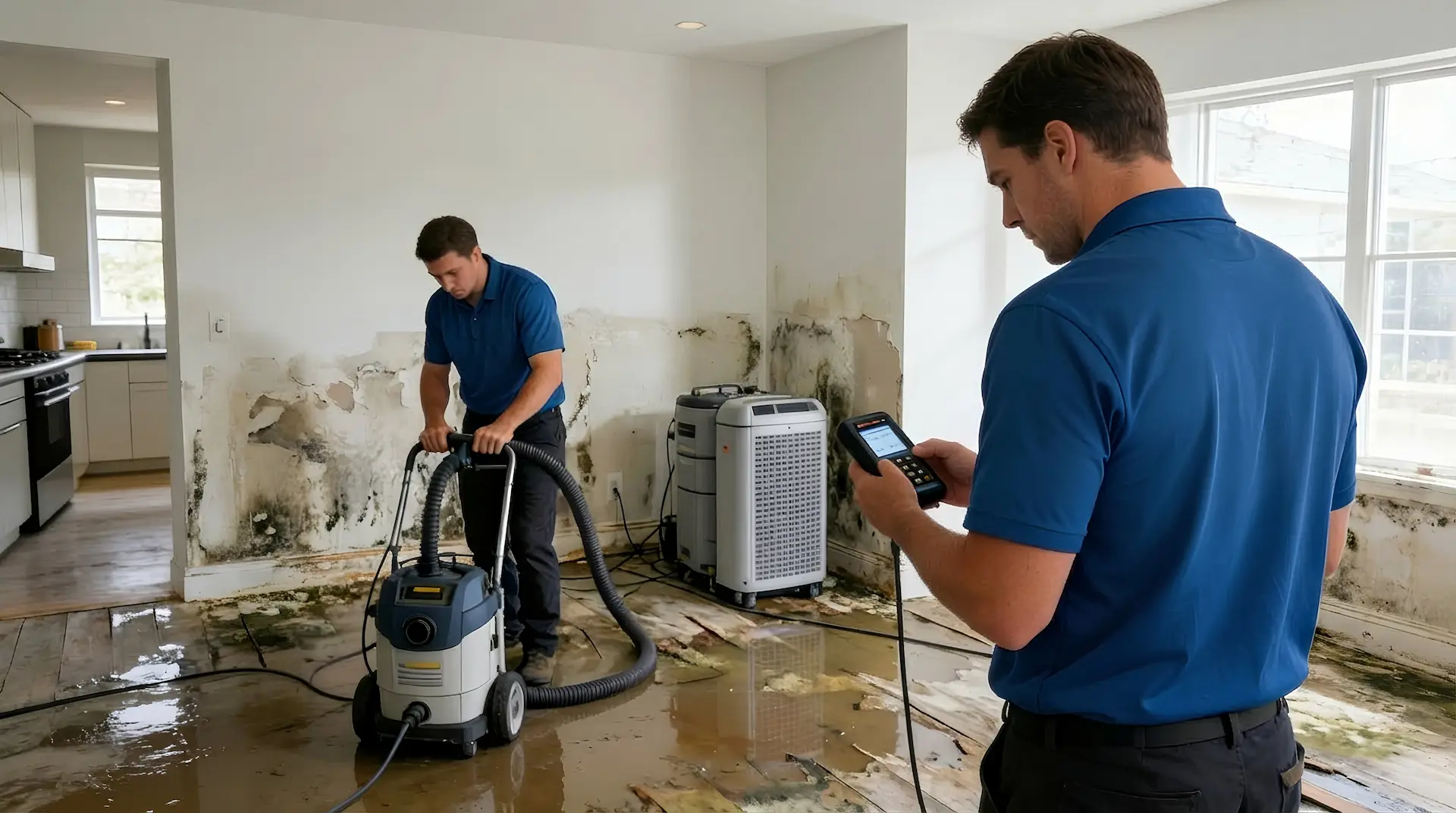
When water invades your home or business, the aftermath can be overwhelming. Beyond the visible puddles and saturated belongings, a complex process is required to fully address the damage and prevent long-term issues. Water damage restoration is a specialized service designed to mitigate the effects of floods, leaks, and other water-related incidents, returning your property to a safe and habitable condition.
Key points
- Water damage restoration is a multi-step process addressing immediate water removal, thorough drying, cleaning, sanitization, and potential reconstruction.
- Prompt water extraction is crucial to minimize damage and prevent secondary issues like mold.
- Professional drying utilizes specialized equipment to ensure all moisture is eliminated from materials and the air.
- Cleaning and sanitization are vital for health and safety, especially when dealing with contaminated water.
- Mold prevention and remediation are integrated into the restoration process to protect occupants and property.
- Reconstruction and structural restoration may be necessary to repair and rebuild damaged areas, restoring the property to its original condition.
Initial Assessment and Water Extraction
The first critical step in any water damage restoration project is a thorough assessment of the situation. Professionals will identify the source of the water, its category (clean, grey, or black water), and the extent of the affected areas. This evaluation dictates the approach and the necessary safety precautions. Following the assessment, the immediate priority is water extraction. This involves using specialized equipment like submersible pumps and industrial-strength vacuums to remove standing water as quickly and efficiently as possible. The sooner water is removed, the less chance it has to penetrate deeper into building materials and cause further damage or promote microbial growth.
Drying and Dehumidification
Once the bulk of the standing water is gone, the focus shifts to drying the affected structures and contents. This is a meticulous process that goes beyond simply wiping surfaces. Professionals utilize a range of high-velocity air movers, fans, and dehumidifiers to accelerate the evaporation of moisture from carpets, subflooring, walls, and even within the air itself. Controlled environments are created to optimize drying conditions. Hygrometers and moisture meters are used to monitor humidity levels and material saturation, ensuring that spaces are dried to safe standards. Inadequate drying can lead to secondary problems such as mold growth and structural weakening.
Cleaning and Sanitization
Water, especially if it’s not clean water, can carry a host of contaminants. After drying, all affected materials and surfaces undergo thorough cleaning and sanitization. This includes removing debris, stains, and any potential biohazards. Specialized cleaning agents and antimicrobial treatments are employed to neutralize odors and eliminate bacteria, viruses, and mold spores that may have begun to develop. Upholstery, carpets, and other porous items may require deep cleaning or, in severe cases, professional disposal and replacement to ensure a healthy living environment.
Mold Prevention and Remediation
Mold can start to grow in as little as 24 to 48 hours after water damage, particularly in dark, damp, and undisturbed areas. A key component of water damage restoration is proactive mold prevention. This involves ensuring thorough drying and implementing antimicrobial treatments. If mold growth has already occurred, it requires specific remediation protocols. This can involve containment of affected areas, careful removal of mold-infested materials, and thorough cleaning and disinfection to prevent its return. Addressing mold is crucial for indoor air quality and the long-term structural integrity of the property.
Reconstruction and Structural Restoration
In many cases, water damage necessitates more than just cleaning and drying. Reconstruction and structural restoration become essential to bring the property back to its pre-loss condition. This phase may involve repairing or replacing damaged drywall, insulation, flooring, cabinetry, and even structural elements. Depending on the severity, it could range from minor cosmetic repairs to extensive rebuilding. Skilled technicians and contractors work to ensure that all repairs are not only functional but also meet current building codes and aesthetic standards. This comprehensive approach ensures that the property is not only dry and clean but also structurally sound and safe.
Common questions
What is the first step in water damage restoration?
The very first step in water damage restoration is a thorough assessment to identify the water source, its category, and the extent of the damage.
How long does water damage restoration take?
The timeline for water damage restoration varies significantly based on the severity of the damage, the type of water, and the size of the affected area. It can range from a few days for minor incidents to several weeks for extensive flooding requiring significant reconstruction.
Is reconstruction always necessary after water damage?
Reconstruction is not always necessary but often is, especially when water has caused significant damage to structural components like drywall, flooring, or subflooring. The extent of the damage determines if simple drying and cleaning suffice or if repairs and rebuilding are required.
What is the difference between water damage restoration and fire damage restoration?
Water damage restoration focuses on removing water, drying, sanitizing, and repairing damage caused by moisture. Fire damage restoration, on the other hand, deals with soot removal, smoke odor neutralization, and rebuilding after fire and smoke have compromised a property. While distinct, some restoration companies handle both types of emergencies.
Can I do water damage restoration myself?
For minor leaks and small amounts of water, some DIY cleaning and drying might be possible. However, significant water damage, especially from contaminated sources or when it has penetrated walls and subfloors, requires professional expertise and specialized equipment to ensure thorough drying, prevent mold, and complete structural restoration safely.

