Skip to content
When disaster strikes your home or business, the immediate aftermath can be overwhelming. Beyond the initial cleanup, the process of rebuilding and restoring the structural integrity of your property is crucial. This involves a specialized field known as reconstruction or structural restoration, which addresses the deeper damage that compromises safety and usability. Whether dealing with the aftermath of a fire, extensive water damage, or persistent mold issues, understanding the scope of this work is key to a successful recovery.
Key points
- Reconstruction and structural restoration repairs compromised building elements to ensure safety and habitability.
- Water damage restoration involves more than drying; it requires addressing potential structural weakening and mold growth.
- Fire damage restoration includes cleaning soot, neutralizing odors, and repairing structural damage.
- Mold remediation is essential for health and preventing further property damage.
- A thorough assessment and detailed plan are the first steps in any reconstruction project.
Understanding Reconstruction and Structural Restoration
Reconstruction and structural restoration is the process of repairing and rebuilding damaged parts of a building to return it to its pre-loss condition or better. This goes beyond cosmetic fixes. It involves assessing and repairing the underlying structural elements that may have been weakened or compromised. This could include foundations, framing, walls, roofs, and essential systems like plumbing and electrical. The goal is to ensure the building is safe, stable, and habitable once more. Professionals in this field have the expertise to identify all forms of damage, including those not immediately visible, and to plan and execute the necessary repairs methodically.
Addressing Water Damage Restoration
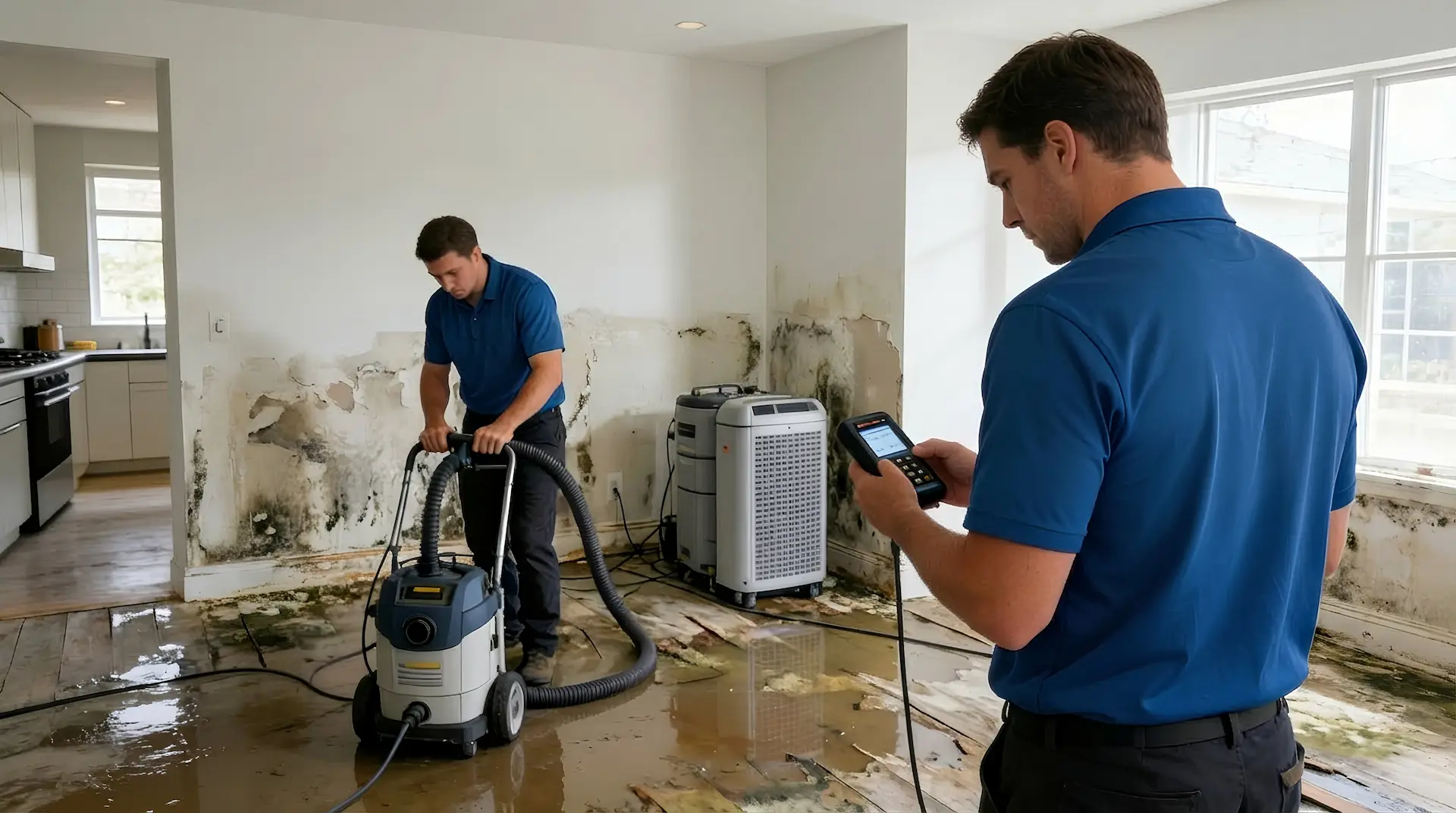
Water damage can stem from various sources, including leaks, floods, or burst pipes. While the immediate concern might be removing standing water and drying surfaces, the true challenge of water damage restoration lies in preventing secondary issues. Prolonged exposure to moisture can lead to structural weakening, rot, and the proliferation of mold. Experts will not only extract water and dry the affected areas but also address any compromised materials, such as saturated drywall, insulation, or flooring. They assess the extent of saturation and potential for mold growth, ensuring all affected components are properly treated or replaced to prevent future problems and restore the structural integrity.
Navigating Fire Damage Restoration
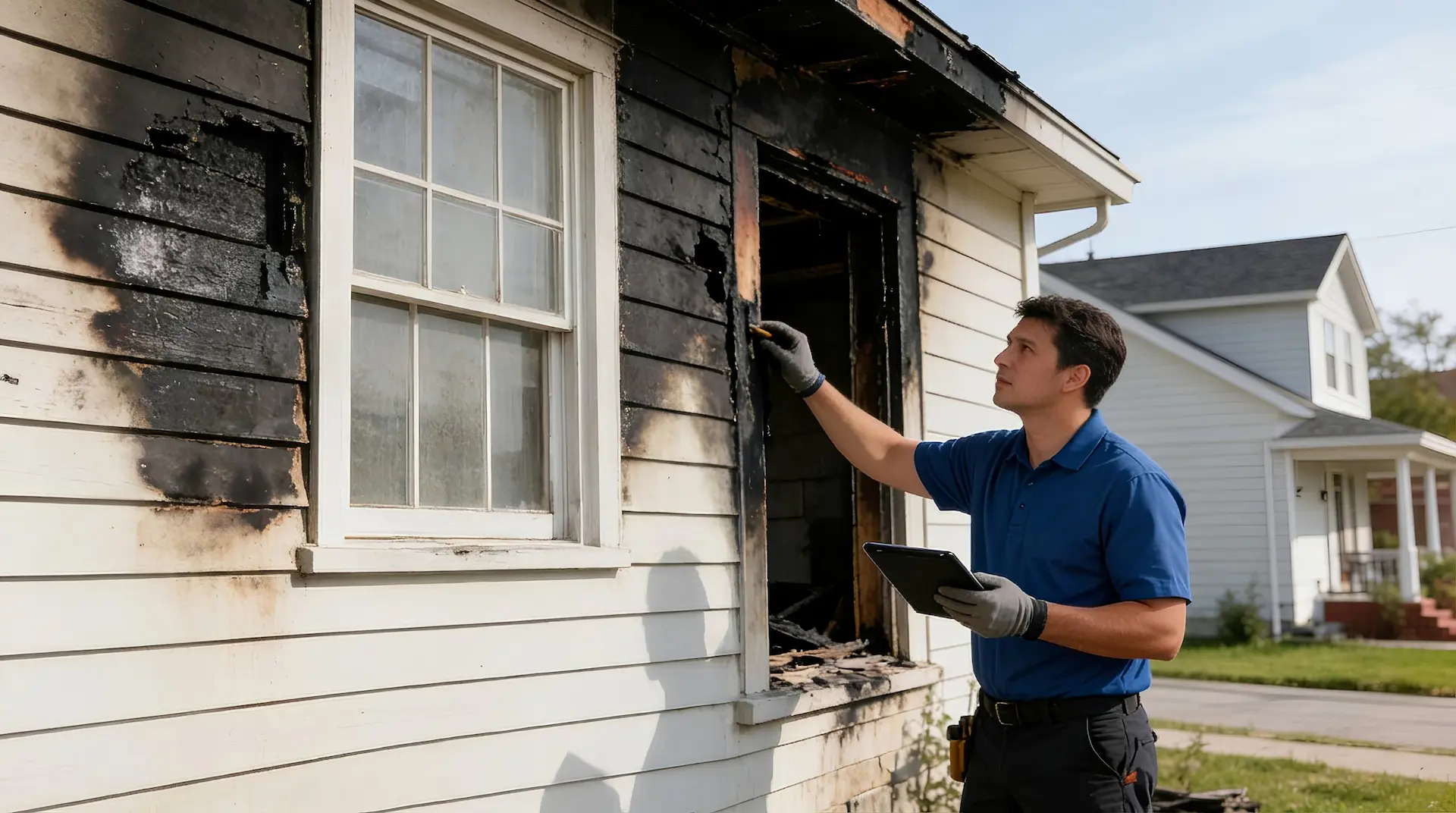
Fire damage restoration is a complex undertaking due to the destructive nature of fire, smoke, and the water used to combat it. Beyond visible charring, smoke residue can penetrate materials, causing lingering odors and corrosion. The heat from a fire can weaken structural components like beams and supports, even if they don’t appear significantly damaged. Fire damage restoration involves meticulous cleaning to remove soot and smoke, neutralizing odors, and repairing or replacing damaged structural elements. This ensures the building is not only aesthetically restored but also structurally sound and free from hazardous residues.
The Importance of Mold Remediation
Mold can thrive in damp environments, often appearing after water damage or in poorly ventilated areas. Mold remediation is the process of identifying, removing, and preventing the regrowth of mold. This is critical not only for the aesthetic appeal of a property but more importantly for the health of its occupants. Mold spores can cause respiratory issues and allergic reactions. Professional mold remediation involves containing the affected area, safely removing mold-infested materials, cleaning and disinfecting the space, and implementing measures to control moisture and prevent recurrence. This process is often integrated into broader reconstruction efforts to ensure a healthy living or working environment.
The Reconstruction Process: From Assessment to Completion
The reconstruction or structural restoration process typically begins with a thorough assessment of the damage. This involves a detailed inspection by experienced professionals to identify the full extent of the problem, including any hidden issues. Following the assessment, a comprehensive plan is developed, outlining the scope of work, materials needed, and a timeline. The actual reconstruction phase might involve anything from repairing framing and replacing drywall to rebuilding sections of the roof or foundation. Throughout the process, adherence to building codes and safety standards is paramount. The final stages focus on finishing touches, ensuring the restored areas seamlessly integrate with the existing structure and meet the homeowner’s expectations.
Common questions
What is the difference between general repair and structural restoration?
General repair typically addresses surface-level or cosmetic damage, while structural restoration focuses on repairing or rebuilding the fundamental load-bearing elements of a building that have been compromised, ensuring its safety and stability.
How long does reconstruction typically take?
The timeline for reconstruction varies significantly depending on the extent and type of damage. Minor repairs might take days, while extensive structural restoration after a major event could take weeks or months.
Is mold remediation part of water damage restoration?
Mold remediation is often a crucial component of water damage restoration because mold can begin to grow within 24-48 hours in damp conditions, necessitating its removal to ensure a healthy and structurally sound environment.
What should I do if I suspect hidden mold?
If you suspect hidden mold, it’s best to contact a professional restoration company. They have the tools and expertise to locate, assess, and safely remove mold without spreading spores throughout your property.