Skip to content
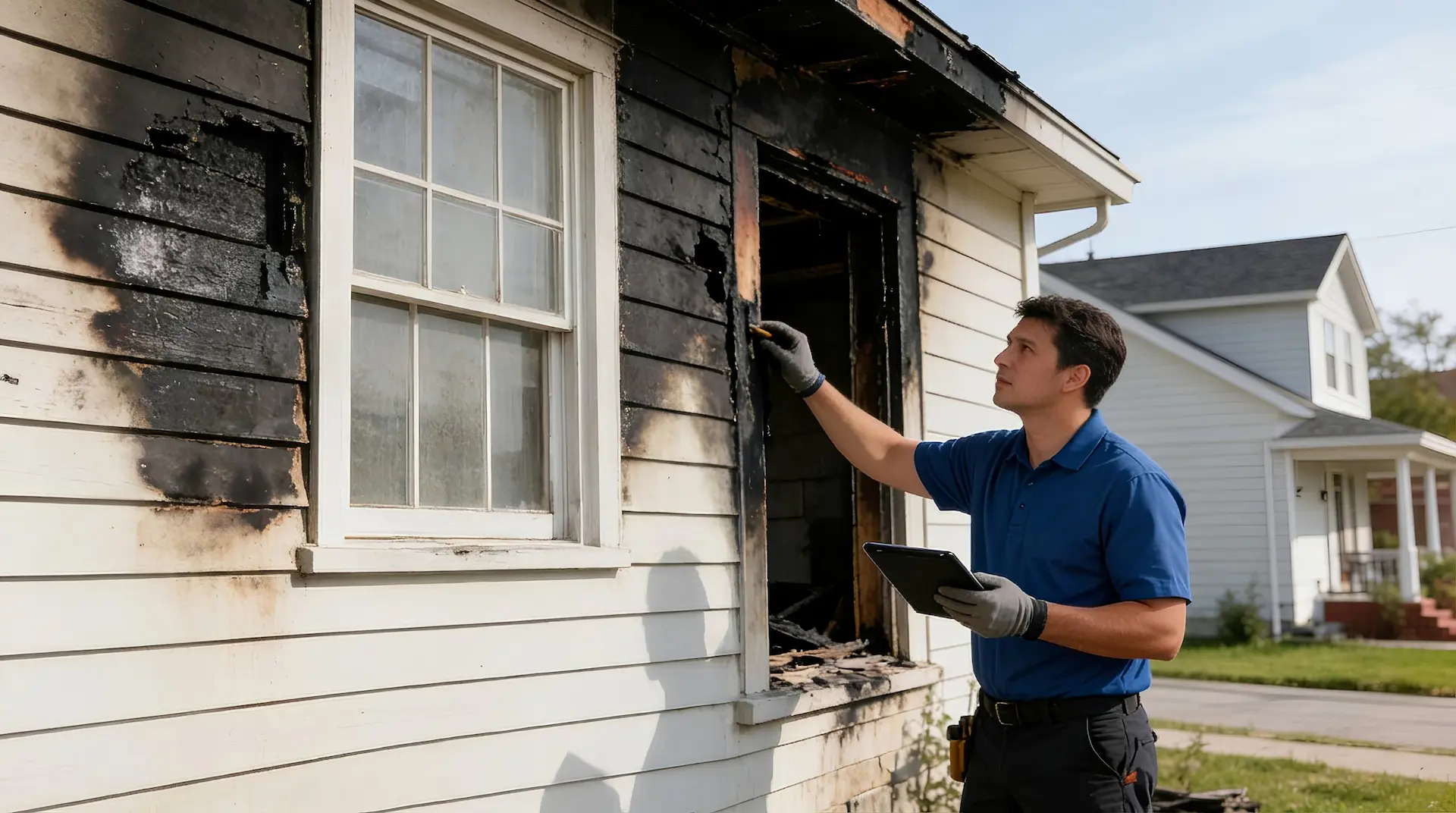
A fire in your home or business is a devastating event, leaving behind not just visible destruction but also hidden damage. Beyond the flames, smoke, soot, and the water used to extinguish the fire can cause significant harm to your property’s structure and contents. Professional fire damage restoration is crucial for a complete and safe recovery. This process goes far beyond simple cleaning; it involves meticulous assessment, specialized techniques, and often, significant reconstruction to bring your property back to its pre-fire condition.
Key points
- Fire damage extends beyond flames to include smoke, soot, and water.
- Professional assessment and safety are the initial priorities.
- Specialized techniques are required for effective smoke and soot removal.
- Water damage restoration is critical to prevent mold and structural issues.
- Reconstruction and structural restoration may be needed for safety and integrity.
- Content cleaning services can salvage personal and business belongings.
The Immediate Aftermath: Assessment and Safety
Following a fire, the first priority is safety. Before any restoration work can begin, a thorough assessment of the damage is conducted by trained professionals. This evaluation determines the extent of the fire, smoke, and water damage. It identifies compromised structural elements, potential hazards like weakened ceilings or floors, and areas affected by soot and smoke residue. Safety protocols are paramount during this phase to protect both the restoration team and property occupants from risks such as electrical hazards, unstable structures, or lingering contaminants.
Smoke and Soot Removal: A Detailed Process
Smoke and soot are pervasive, adhering to surfaces and penetrating porous materials. Their removal requires specialized techniques and equipment. Dry-cleaning methods using chemical sponges are often the first step for dry soot. For wet smoke residue, which is often sticky and tar-like, detergents and specialized cleaning solutions are employed. Professionals meticulously clean walls, ceilings, carpets, upholstery, and personal belongings. HVAC systems are also a critical focus, as soot can easily circulate throughout the building, requiring professional cleaning to prevent recontamination. Odor removal is another significant aspect, often involving ozone treatments or thermal fogging to neutralize stubborn smoke smells.
Addressing Water Damage Restoration Needs
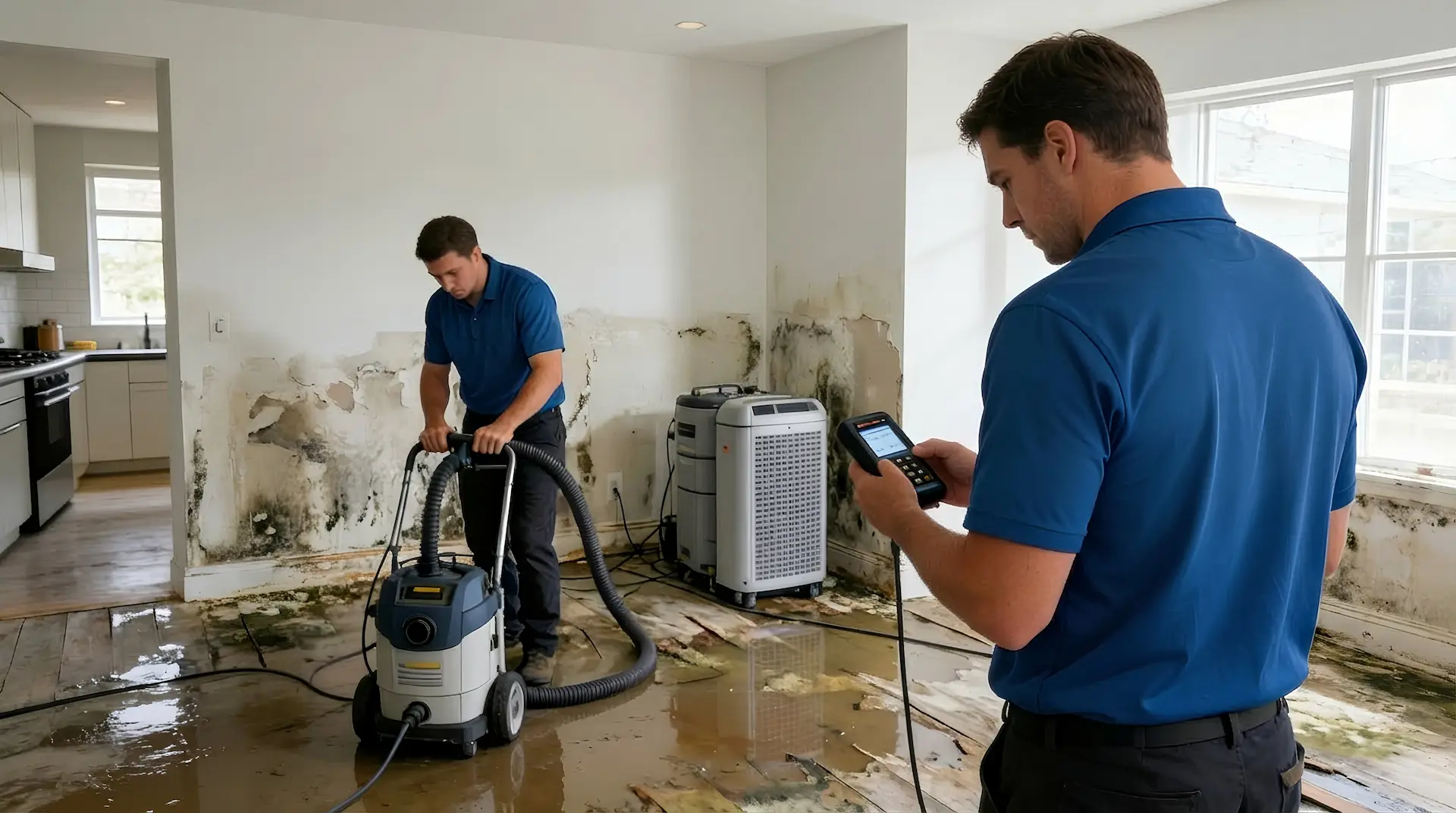
The water used to combat a fire can lead to extensive water damage restoration challenges. This water can saturate building materials, leading to mold growth if not addressed promptly. Restoration professionals will remove standing water, thoroughly dry affected areas using specialized equipment like dehumidifiers and air movers, and inspect for hidden moisture within walls and subfloors. They will also address any resulting structural issues caused by water saturation, ensuring that materials are dried, cleaned, and, if necessary, replaced to prevent long-term problems like warping or rot.
Reconstruction and Structural Restoration
Significant fires can compromise the structural integrity of a building. Reconstruction and structural restoration may be necessary to ensure the property is safe and sound. This can involve repairing or replacing damaged walls, ceilings, floors, and roofing. It might also include rebuilding entire sections of the structure that were destroyed by the fire or weakened by heat and water. The goal of reconstruction is not just cosmetic repair but a return to the building’s original, safe, and functional state. This phase often requires coordination with building codes and permits to ensure all work is up to standard.
Content Cleaning and Restoration
Restoring personal belongings and business assets is a vital part of the fire damage restoration process. Many items that appear unsalvageable can often be restored by specialists. This includes documents, electronics, furniture, and artwork. Techniques vary widely depending on the item and the type of damage. Professional cleaning, deodorizing, and repair services can save valuable possessions that might otherwise be lost forever. Items are often carefully packed out, cleaned in a controlled environment, and then returned to the property once it is safe and clean.
Common questions
What is the first step in fire damage restoration?
The first step is a safety assessment to identify hazards and determine the extent of fire, smoke, and water damage before any cleaning or repairs begin.
How is smoke and soot removed?
Smoke and soot removal involves specialized dry and wet cleaning methods, using tools like chemical sponges and detergents, followed by thorough deodorizing treatments.
Why is water damage restoration important after a fire?
Water used to extinguish the fire can cause significant damage, including saturation and potential mold growth, making water damage restoration essential for preventing long-term issues.
When is reconstruction needed after a fire?
Reconstruction and structural restoration are necessary when the fire or water damage has compromised the building’s structural integrity, requiring repairs or rebuilding of damaged elements.
Can personal belongings be restored after a fire?
Yes, many personal belongings and business assets can be restored through specialized cleaning, deodorizing, and repair services offered by restoration professionals.