Skip to content
Recent weather events in Tarzana have highlighted the importance of home preparedness and swift action in the face of damage. Whether from intense heat, wildfires, or subsequent water intrusion, understanding the necessary steps can mitigate long-term issues and simplify the recovery process.
Documenting Damage for Insurance Claims
When your Tarzana home sustains damage, meticulous documentation is crucial for a smooth insurance claim. Begin by securing the property to prevent further harm. Take clear, detailed photographs and videos of all damaged areas, including close-ups and wider shots that show context. Create a comprehensive inventory of damaged items, noting their description, brand, model number, age, and estimated replacement cost. Keep all receipts for any temporary repairs or emergency services you authorize. Store this documentation digitally and in a safe physical location, separate from the damaged areas if possible. This detailed record will be invaluable when communicating with your insurance adjuster and filing your claim for water damage restoration or fire damage restoration.
The Critical 48-Hour Window for Drying
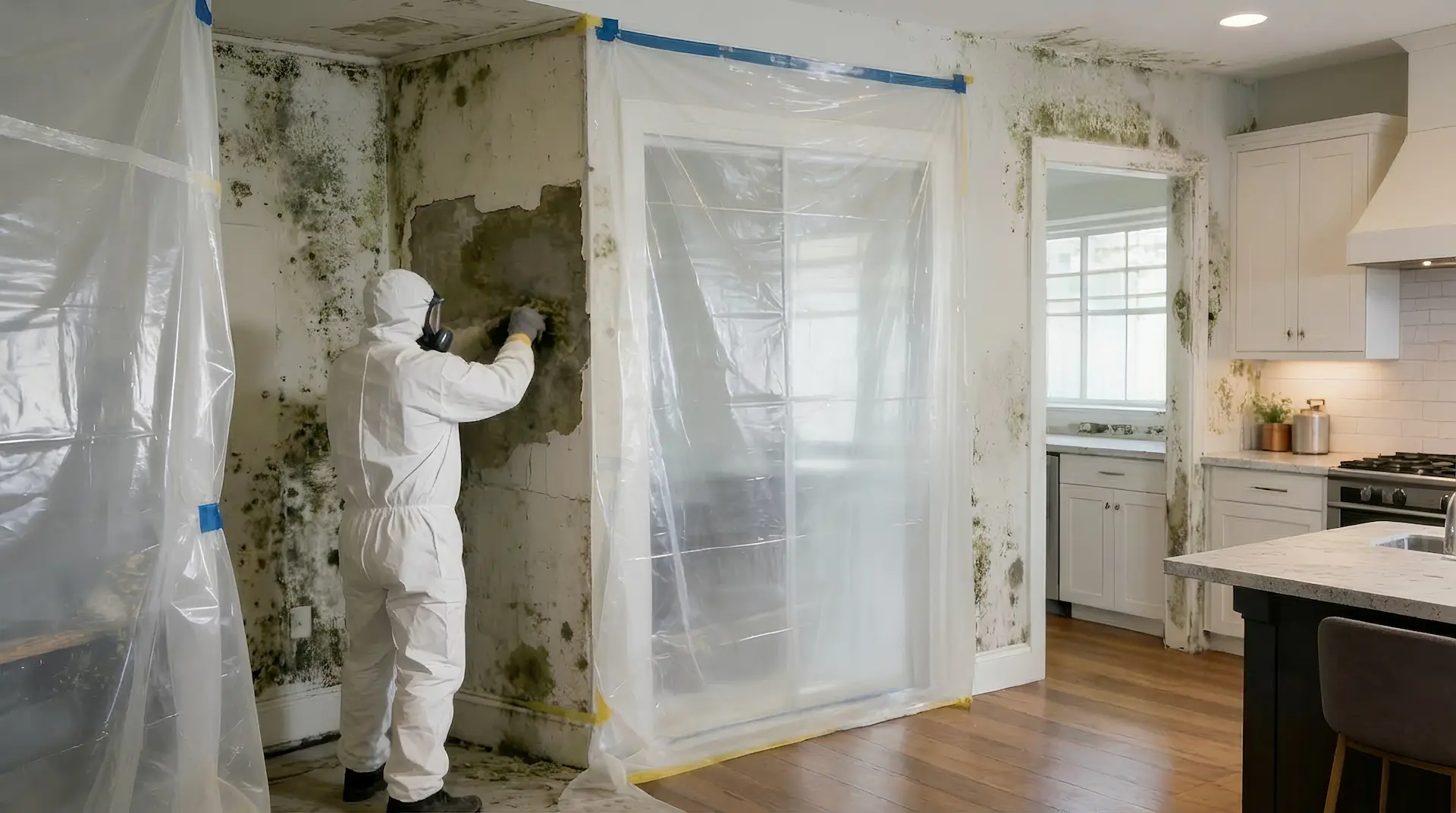
Excess moisture is a breeding ground for mold and can accelerate structural degradation. It is vital to initiate drying efforts within 48 hours of water intrusion. For localized leaks, immediate cleanup with absorbent materials might suffice. However, for more significant water damage, professional intervention is often necessary. This involves specialized equipment such as industrial-grade dehumidifiers, air movers, and moisture meters. These tools help extract water vapor from the air and materials, significantly reducing humidity levels and preventing secondary damage. Prompt drying is a cornerstone of effective water damage restoration and mold remediation.
Inspecting for Structural Integrity
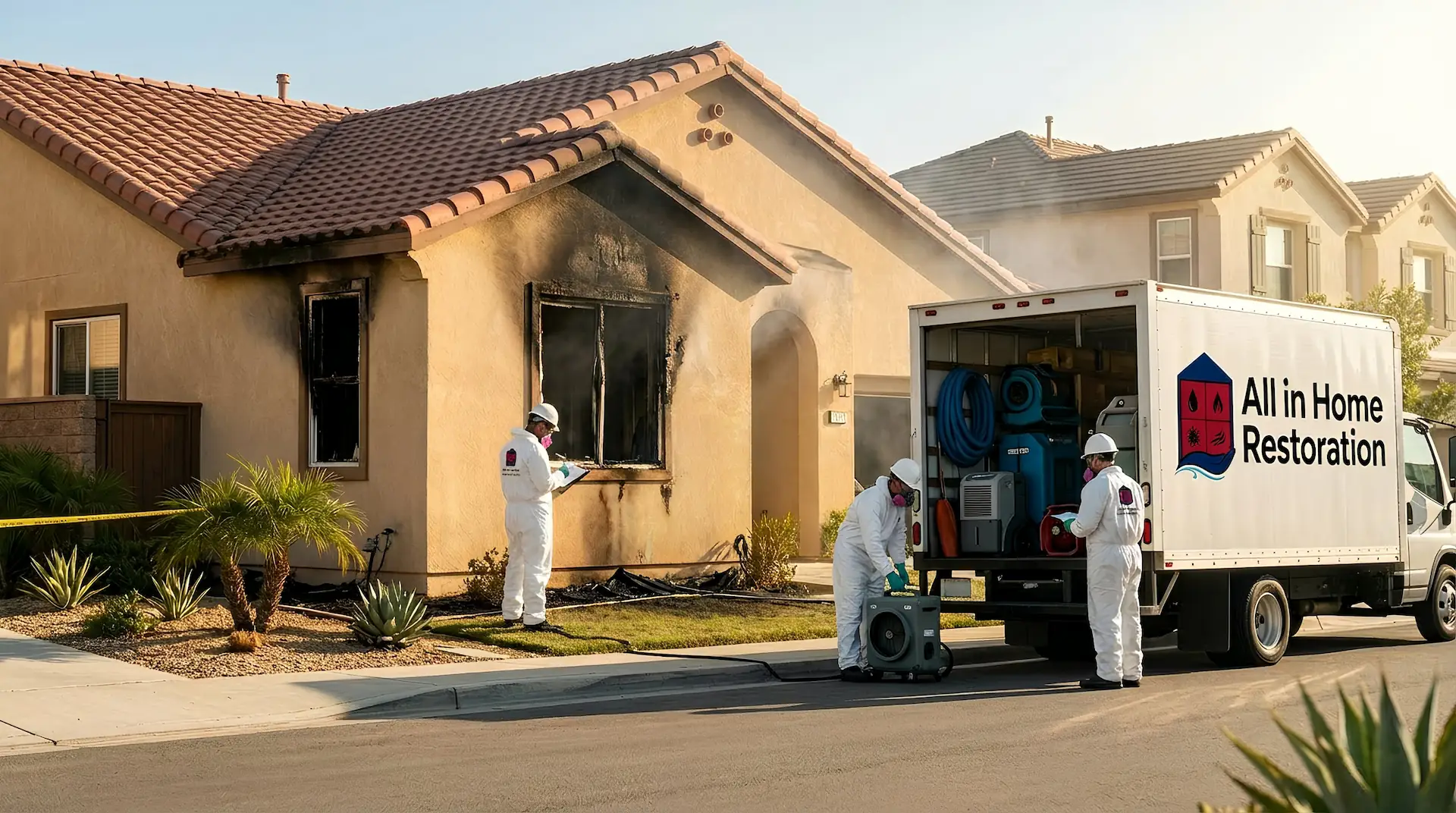
Beyond immediate cosmetic or water-related issues, it is essential to assess potential structural damage, particularly after events like wildfires. While wildfires themselves cause direct charring and heat damage, the aftermath can also lead to structural compromise. For instance, intense heat can weaken framing materials, and firefighting efforts, including water application, can introduce moisture that leads to rot or mold if not properly addressed. [news-1] suggests that rebuilding stronger means preparing for future wildfires, implying that current structures might not be resilient enough. Therefore, after any significant event, inspect the foundation, walls, roof, and supporting beams for any signs of cracking, warping, sagging, or compromised integrity. If you suspect any structural issues, consult with a qualified professional for a thorough inspection and necessary reconstruction or structural restoration.
Preventative Measures and Future Resilience
Living in an area prone to varied environmental challenges like Tarzana means embracing resilience. Proactive measures can significantly reduce the impact of future events. Consider fire-resistant landscaping and maintaining defensible space around your home, as recommended in discussions around wildfire preparedness [news-1]. For water damage, ensure your plumbing is in good condition, gutters are clear, and consider sump pumps if you are in a flood-prone area. Regular maintenance of your home's exterior and interior systems can prevent minor issues from escalating into major restoration projects. Investing in preparedness is key to long-term home safety and value.
Key takeaways
- Document all damage thoroughly with photos, videos, and inventories for insurance claims.
- Initiate drying of water-damaged areas within 48 hours to prevent mold and further deterioration.
- Inspect for structural integrity after fire or water events, consulting professionals if needed.
- Adopt preventative measures to enhance home resilience against future environmental challenges.
Frequently asked questions
What should I do first after discovering water damage?
The immediate priority after discovering water damage is to stop the source of the water if possible and then begin documenting everything. Take photos and videos of the damage before any cleanup begins, and make a list of damaged items.
How soon should I start drying wet materials in my home?
You should start drying wet materials within 48 hours of water intrusion to prevent mold growth and further structural damage. For significant water damage, professional drying services are recommended.
When do I need to worry about structural damage after a fire?
You should be concerned about structural damage after a fire if you observe cracks in walls or foundations, sagging ceilings or floors, or notice any warping in structural beams. It is advisable to have a professional inspect for reconstruction or structural restoration needs.
Is mold remediation part of water damage restoration?
Yes, mold remediation is often a critical component of water damage restoration, especially if drying efforts are delayed beyond 48 hours. Prompt drying helps prevent mold from developing.