Skip to content
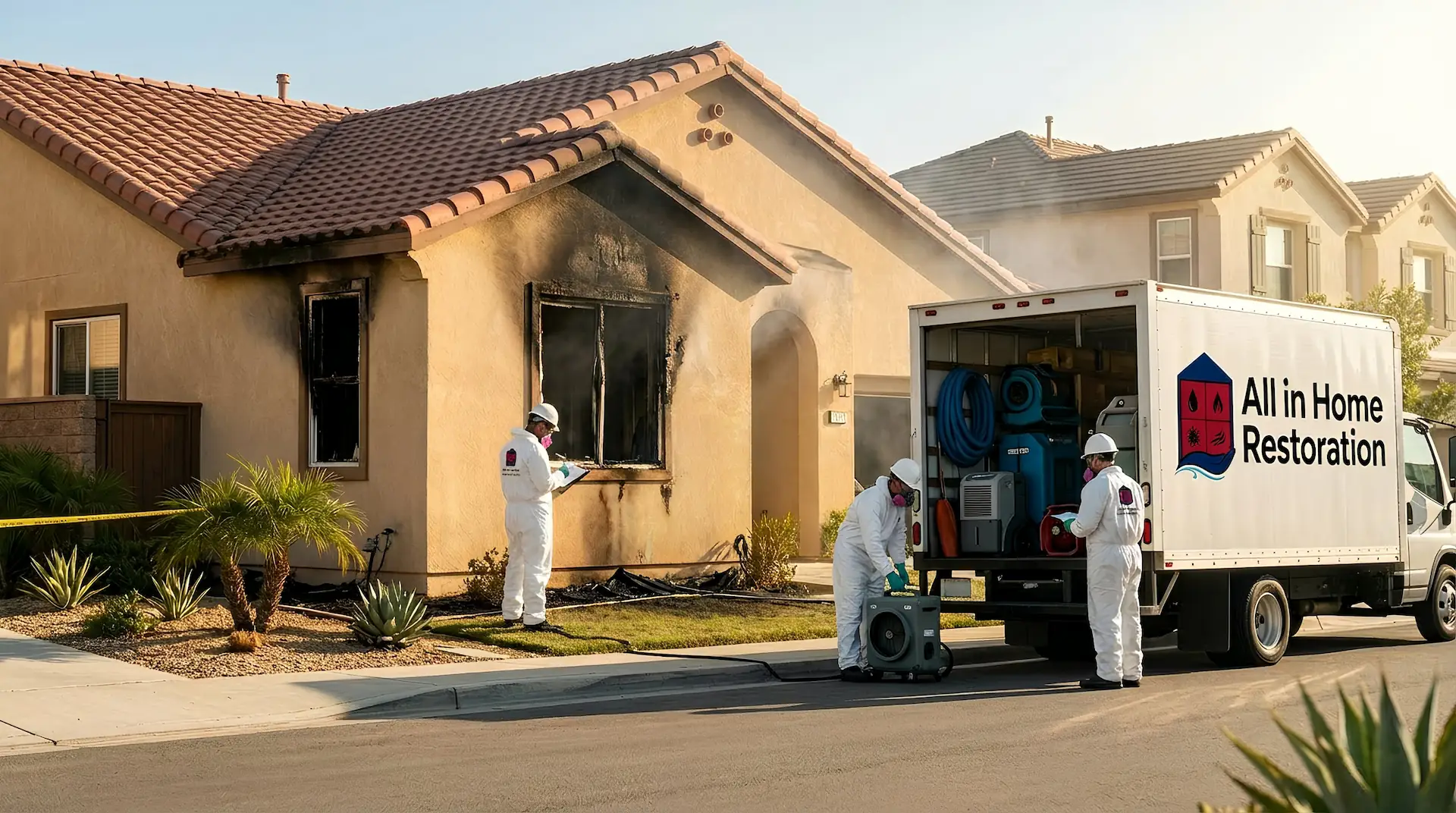
Recent weather events, including tropical storms forming in the Pacific and systems bringing heavy rainfall, highlight the potential for significant water damage to homes in the Tarzana area. Understanding the immediate steps to take can protect your property and streamline the insurance claims process.
Documenting Your Property Damage for Insurance Claims
Following a significant weather event, thorough documentation is crucial for a successful insurance claim. Begin by taking detailed photographs and videos of all damaged areas, both inside and outside your home. Capture the extent of water intrusion, any structural shifts, or fire-related damage. Create a comprehensive list of damaged personal property, including descriptions, makes, models, and estimated replacement costs. It is also important to save all receipts for any temporary repairs or mitigation efforts you undertake, as these may be reimbursable. Keep records of communication with your insurance adjuster, including dates, times, and the content of discussions. This meticulous approach ensures that your claim accurately reflects the scope of the damage and helps expedite the reimbursement process.
When Tropical Storm Vance formed in the eastern Pacific, it served as a reminder of the unpredictable weather patterns that can affect coastal and inland communities alike. Such storms can bring not only high winds but also substantial rainfall, leading to flooding and subsequent water damage to homes. Prompt action in documenting these effects is key. As noted by Cal OES News, Governor Newsom has activated statewide responses to dangerous fire weather and to assist with recovery from tropical storm impacts, indicating a recognized need for organized recovery efforts following severe weather events [news-3]. This underscores the importance of individual preparedness and documentation for homeowners.
The Critical 48-Hour Window for Drying and Water Damage Restoration
The first 48 hours after water damage occurs are critical in preventing secondary issues like mold growth and further structural compromise. Prompt and effective drying is essential. Begin by removing standing water as safely and quickly as possible. Use wet vacuums, mops, and absorbent towels. Open windows and doors to promote ventilation, but only if outdoor conditions do not introduce more moisture or contaminants. Industrial-strength fans and dehumidifiers are vital tools for accelerating the drying process in affected areas, including carpets, upholstery, and wall cavities. Professional water damage restoration services can provide specialized equipment and expertise to ensure thorough drying and prevent long-term problems. Ignoring the need for rapid drying can lead to the development of mold, which can pose health risks and lead to more extensive and costly repairs. The potential for days of heavy rain and flooding, as seen with slow-moving systems impacting regions like Florida, emphasizes the importance of having a plan for rapid water removal and drying [news-2].
Inspecting for Structural Damage and Potential Reconstruction
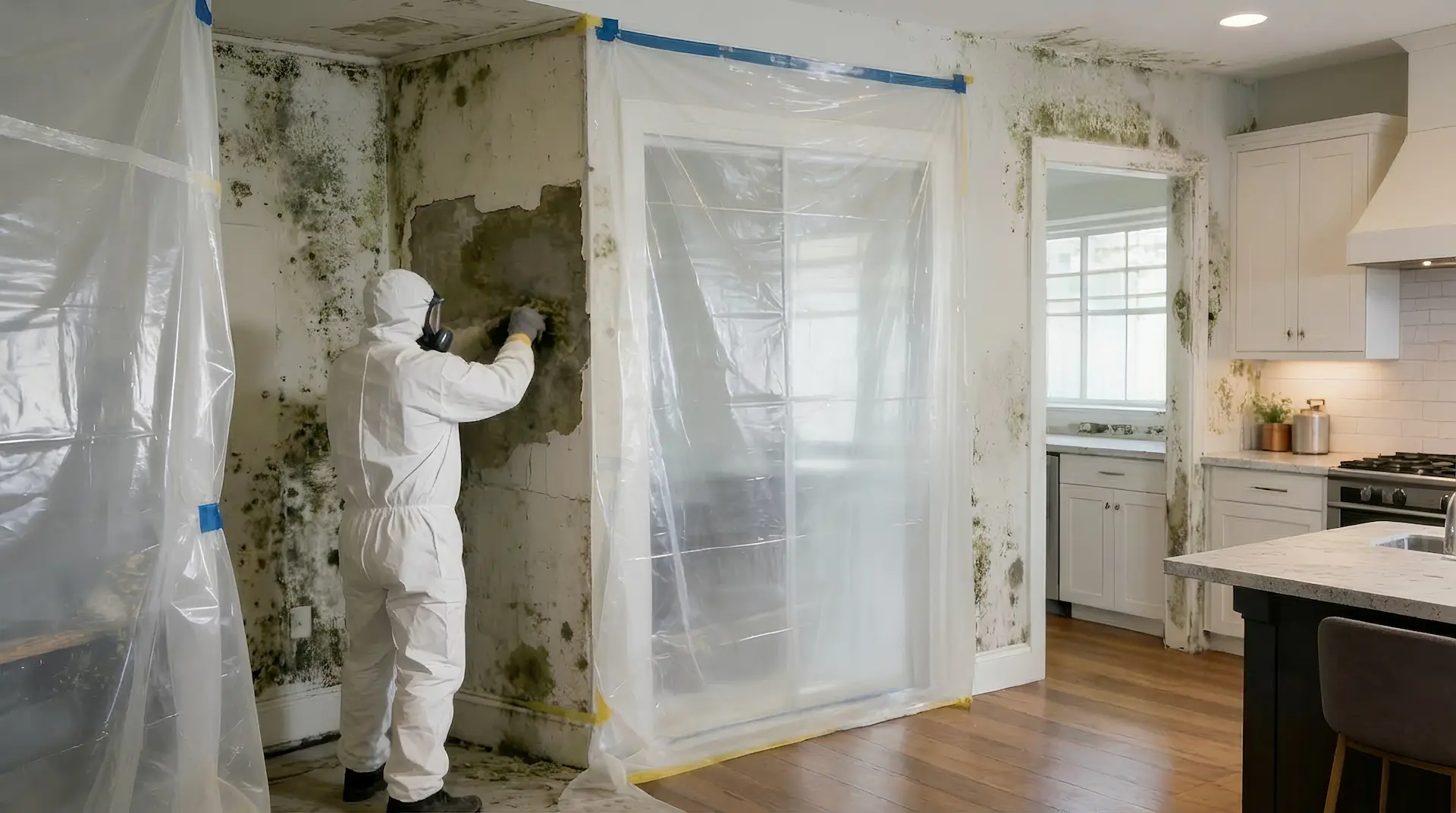
Beyond immediate water removal, a thorough inspection for structural integrity is vital. Water saturation can weaken building materials, including wood framing, drywall, and insulation. Look for signs of sagging ceilings, warped floors, cracked walls, or any visible shifts in the foundation. Pay close attention to areas where water has pooled or flowed for extended periods. If you suspect any structural issues, it is imperative to consult with qualified professionals. Reconstruction or structural restoration may be necessary to ensure the safety and stability of your home. Early detection of structural problems can prevent more severe damage and potentially catastrophic failures. Mold remediation is also a key consideration; mold can begin to grow within 24-48 hours on damp surfaces, and its presence can compromise indoor air quality and material integrity, necessitating specialized removal techniques.
Key takeaways
- Document all storm-related damage with photos, videos, and detailed lists for insurance claims.
- Begin drying efforts within 48 hours of water intrusion to prevent mold and secondary damage.
- Inspect for structural weaknesses and seek professional assessment for any potential reconstruction needs.
- Understand that mold remediation is a critical step after water damage to ensure a healthy living environment.
Frequently asked questions
What should I do first after discovering water damage?
The first step is to ensure your safety and then begin documenting the damage by taking photos and videos of the affected areas.
How quickly does mold grow after water damage?
Mold can begin to grow in as little as 24 to 48 hours on damp surfaces if moisture is not removed.
When should I consider professional water damage restoration?
You should consider professional help if the water damage is extensive, if the water source is unsanitary, or if you cannot thoroughly dry the affected areas within 48 hours.
What are the signs of structural damage after a storm?
Signs include sagging ceilings, warped floors, cracked walls, doors or windows that no longer fit properly, and visible foundation issues.
Sources
- Tropical Storm Vance forms in eastern Pacific as hurricane season reaches rare milestone not seen since 2018 – FOX Weather
- Slow-moving system could bring days of heavy rain and flooding to the Bahamas and Florida – FOX Weather
- Governor Newsom activates statewide response amid dangerous fire weather, signs actions to speed Tropical Storm Rachel recovery and wildfire cleanup – Cal OES News (.gov)