Skip to content
Discovering mold in your home or business can be unsettling. Addressing it promptly and effectively is crucial for your health and property integrity. When you decide to tackle mold growth, selecting the right mold remediation provider is a critical step. This guide outlines key questions to ask potential service providers to ensure you make an informed decision.
Key points
- Verify a provider’s experience and certifications in mold remediation.
- Understand their step-by-step mold removal and containment process.
- Inquire about their ability to handle related water damage restoration and reconstruction.
- Ask about emergency service availability and communication protocols.
- Clarify insurance handling, estimates, and any offered guarantees.
Experience and Credentials
When evaluating a mold remediation company, inquire about their years of experience specifically in mold removal. Ask about the types of properties they have worked on and if they have handled situations similar to yours. Certification is also important. While not always legally mandated, certifications from recognized industry bodies indicate that technicians have undergone specific training and adhere to established protocols for mold containment and removal. Understanding their training programs for staff can also provide insight into their commitment to professional standards. Don’t hesitate to ask for references from past clients, particularly those with properties of comparable size or complexity.
The Remediation Process
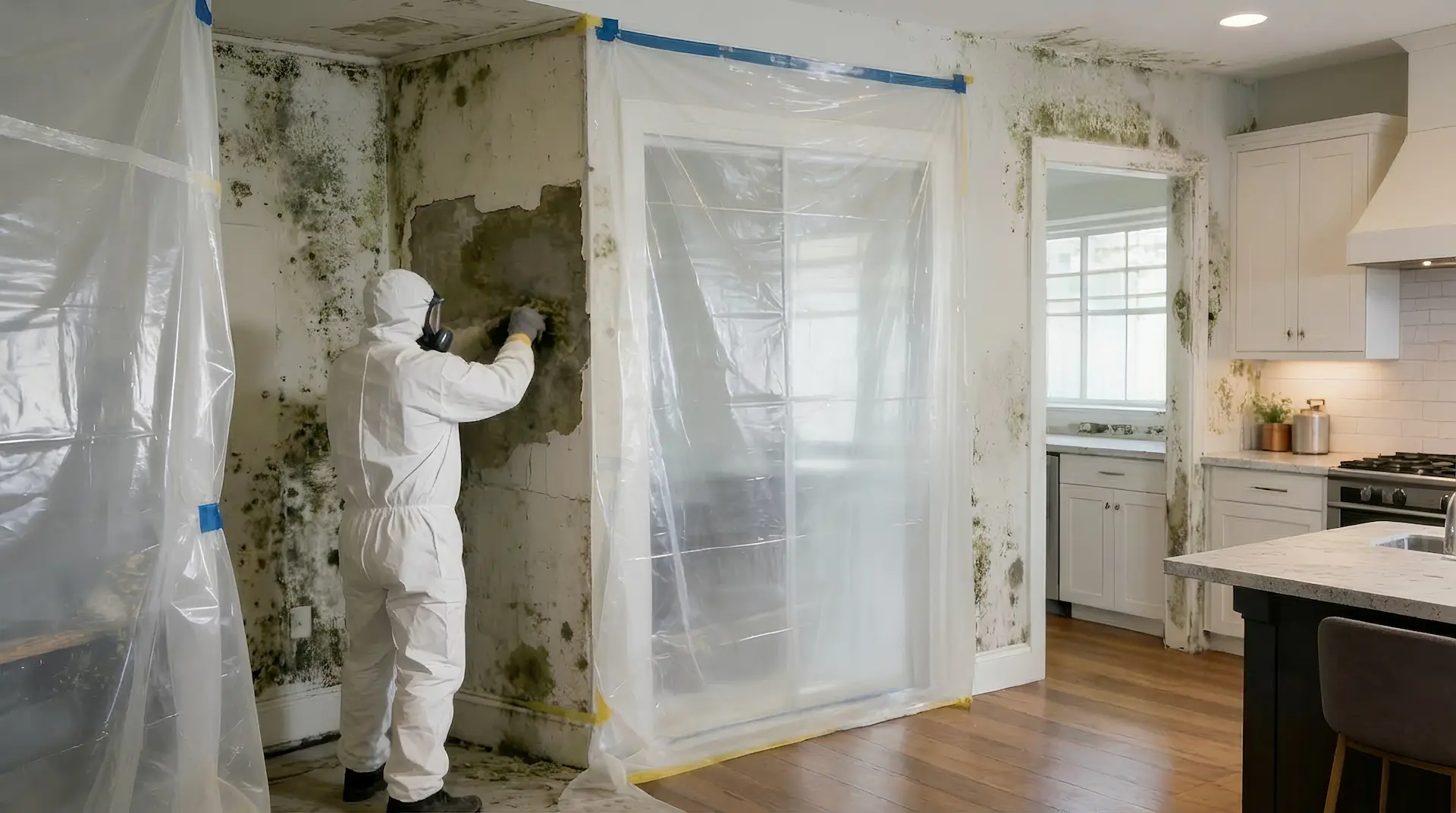
A professional mold remediation provider will have a clear, systematic approach to addressing mold issues. Ask them to detail their process, from initial inspection and containment to removal and post-remediation testing. They should explain how they identify the extent of the mold growth, including any potential hidden sources. Crucially, understand their containment strategies; this involves preventing mold spores from spreading to unaffected areas during the remediation process. Inquire about the specific equipment and cleaning agents they use, and whether these are environmentally friendly or EPA-approved. A thorough plan should also include steps for preventing future mold growth, such as addressing the underlying moisture issues.
Water Damage and Reconstruction
Mold often indicates an underlying moisture problem, which could stem from water damage. Therefore, it’s vital to ask if the provider offers comprehensive water damage restoration services. If the mold has caused structural damage, you may also need reconstruction or structural restoration. Clarify whether the company offers these services or if they partner with other specialists. A provider who can handle the entire process, from initial water extraction and mold removal to rebuilding damaged structures, can simplify the restoration project and ensure a seamless transition between different phases of repair. This integrated approach is particularly important following significant events like floods or leaks.
Emergency Services and Communication
Mold issues can sometimes arise unexpectedly and require immediate attention. Inquire about the company’s availability for emergency services. Understanding their response time and whether they offer 24/7 support can be critical, especially if the mold growth is rapid or linked to a fresh water intrusion. Clear communication is also paramount throughout the remediation process. Ask how they will keep you informed about progress, potential challenges, and any changes to the remediation plan. A good provider will maintain open lines of communication and be readily available to answer your questions.
Insurance and Guarantees
Navigating the financial aspects of mold remediation can be complex. Ask if the company works with insurance companies and how they typically handle claims related to mold damage. Understanding their billing practices and what is included in their estimates is essential for budgeting. Furthermore, inquire about any guarantees or warranties they offer on their mold removal work. A reputable provider may offer a certificate of mold-free completion or a limited warranty on their services, providing added peace of mind that the mold has been effectively eradicated and is unlikely to return under normal conditions.
Common questions
What should I ask about a mold remediation provider’s experience?
You should ask about their years in business, the types of properties they’ve serviced, and if they have experience with mold situations similar to yours. Inquiring about staff training and requesting references are also important steps.
How do I understand their remediation process?
Request a detailed explanation of their methodology, including inspection, containment, removal techniques, the types of cleaning agents and equipment used, and post-remediation testing. Also, ask about their approach to preventing recurrence by addressing moisture sources.
Should I inquire about related services like water damage restoration or reconstruction?
Yes, it is advisable to ask if they offer or coordinate water damage restoration and reconstruction or structural restoration services, especially if the mold stems from a significant water event or has caused structural issues.
What questions should I ask about emergency response and communication?
Inquire about their availability for emergency calls, their typical response time, and how they will communicate updates and potential issues throughout the remediation project.
What should I ask regarding insurance and guarantees?
Ask if they work with insurance providers, how they handle billing and estimates, and what guarantees or warranties they offer on their mold remediation work.