Skip to content

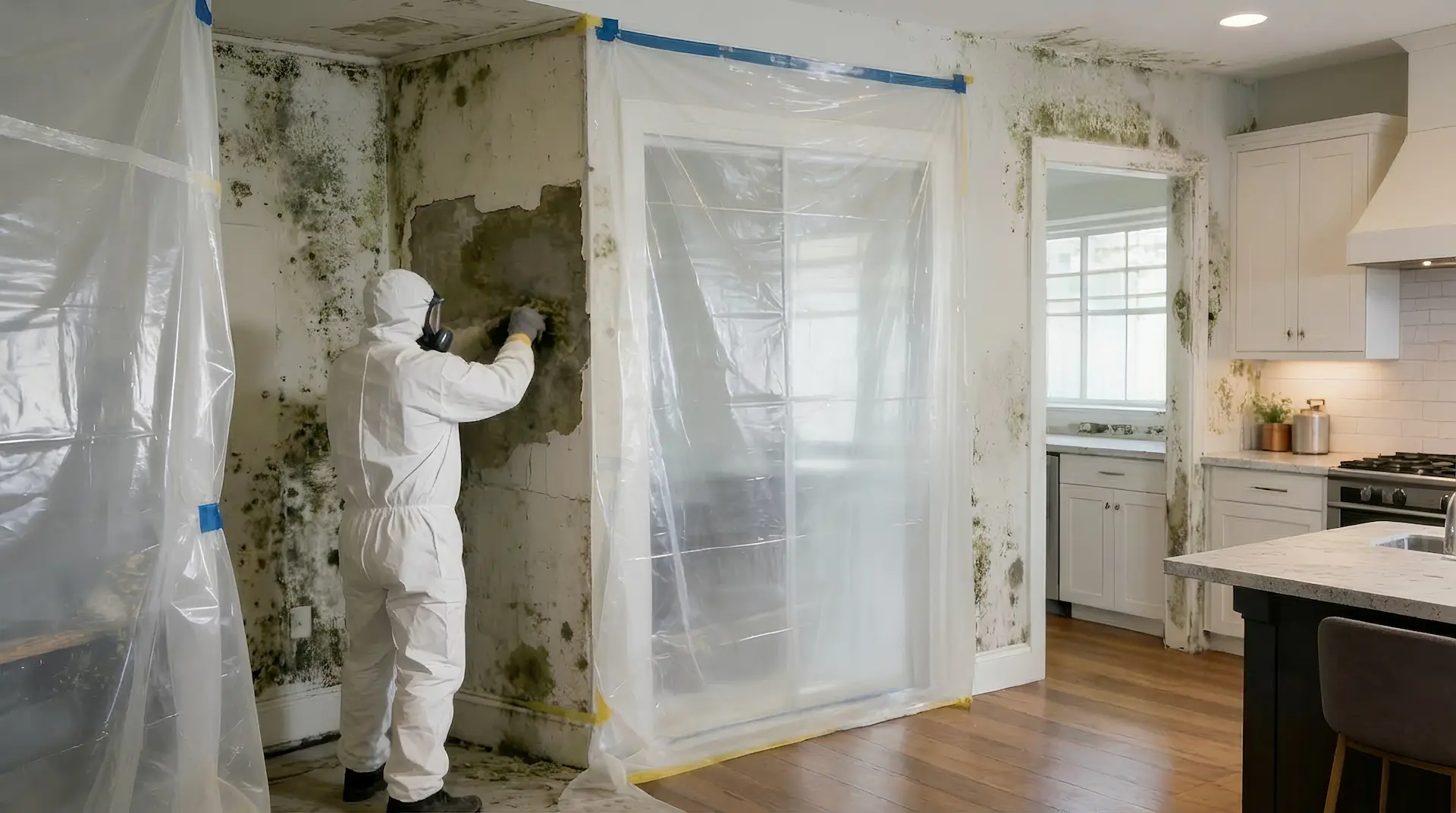
When mold is discovered in your home, prompt and effective Mold Remediation is crucial. While professionals handle the technical aspects of removal and treatment, your preparation plays a significant role in the success of the operation. Proper homeowner preparation ensures safety, aids the remediation team, and can help prevent the problem from worsening. This guide outlines the key steps you should take before the experts begin their work, focusing on containment and creating a safe environment.
Key points
- Containment is the first and most critical step in preparing for mold remediation.
- Seal off affected areas with plastic sheeting and tape to prevent spore dispersal.
- Remove or protect personal belongings from the contaminated zone.
- Prioritize personal safety by avoiding disturbance and wearing protective gear.
- Document all damage thoroughly before professional intervention begins.
- Maintain open communication with your mold remediation service provider.
Understanding the Need for Preparation
Mold thrives in damp environments and can spread rapidly. Before a Mold Remediation team can effectively address the issue, certain measures must be in place. Your proactive steps help contain the mold to the affected area, protect your health, and allow the remediation professionals to work efficiently without cross-contamination. This preparation phase is as important as the remediation itself, especially when dealing with significant Water Damage Restoration needs or after events requiring Fire Damage Restoration.
Containment: The First Line of Defense
The primary goal before remediation begins is containment. This means preventing mold spores from traveling to other parts of your home. You can assist by sealing off the affected area. Use plastic sheeting and painter’s tape to cover doorways, vents, and any openings leading from the contaminated space into unaffected areas. Ensure these barriers are as airtight as possible. If the mold is extensive, especially in a room with HVAC vents, consider turning off your central air system to prevent spore circulation throughout the house. This is a critical step for successful Mold Remediation and can prevent secondary contamination.
Securing Your Belongings and Valuables
Any items within or near the affected area that are not contaminated should be removed or protected. Non-porous items like furniture can often be wiped down and moved to a safe, dry location. Porous items, such as upholstered furniture, carpets, or drapes, may be difficult to clean and could potentially harbor mold spores. It’s often best to remove these items from the area entirely if possible, or at least move them as far away from the contamination source as you can. If items cannot be moved, cover them thoroughly with plastic sheeting. This step is vital to protect your possessions and ensure they don’t become part of the mold problem.
Personal Safety During Preparation
While waiting for professionals, it’s important to protect yourself and your family from exposure to mold. Avoid disturbing the moldy areas as much as possible. If you must enter the affected space, wear protective gear. This includes an N-95 respirator mask, gloves, and eye protection. Keep children and pets away from the area until the remediation is complete. Ventilation can be tricky; while opening windows might seem helpful, it can also spread spores if not done carefully. Professionals will have specific strategies for ventilation during and after the remediation process.
Documenting the Damage
Before any remediation or Reconstruction / Structural Restoration begins, thoroughly document the extent of the mold growth and any associated damage. Take clear photographs and videos of affected areas. This documentation is invaluable for insurance claims, especially if the mold is a result of Water Damage Restoration needs or is part of a larger issue following Fire Damage Restoration. Keep records of all communications with your insurance company and the remediation service provider.
Communicating with Your Remediation Provider
Once you have scheduled your Mold Remediation service, communicate any specific concerns or observations you have to the team leader. Inform them about the potential source of moisture if known, the areas you’ve identified as affected, and any preparation steps you’ve already taken. This open line of communication ensures the team is fully aware of the situation and can tailor their approach to your specific needs. They will also provide guidance on what further steps, if any, are needed from your end.
See our Mold Remediation page for how Allinhomerestoration can help.
Common questions
What is the most important thing to do before mold remediation starts?
The most crucial step before Mold Remediation begins is containment. This involves sealing off the affected area to prevent mold spores from spreading to other parts of your home, which aids in efficient and effective remediation.
Should I try to clean the mold myself before professionals arrive?
It is generally not recommended to attempt significant mold cleaning yourself before professionals arrive, as you may not have the proper equipment or knowledge to contain it effectively, potentially spreading spores further.
What personal safety measures should I take?
To ensure personal safety, avoid disturbing moldy areas, wear protective gear like masks and gloves if you must enter the space, and keep children and pets away from affected zones until remediation is complete.
How can I protect my belongings?
Protect your belongings by removing them from the affected area if possible, or by covering them thoroughly with plastic sheeting to prevent contamination.
Why is documenting the damage important?
Documenting the damage through photos and videos before remediation is important for insurance claims and provides a clear record of the extent of the problem for both you and the restoration company.