Skip to content
Recent weather events have impacted Southern California, bringing concerns about potential damage to homes and businesses. Whether dealing with the aftermath of heavy rain or the heightened risk of wildfires, understanding the immediate steps for mitigation and recovery is crucial for property owners in Tarzana.
Documenting Damage for Insurance Claims
When disaster strikes, thorough documentation is your first step toward a successful insurance claim. Begin by taking detailed photographs and videos of all damaged areas. Capture wide shots to show the extent of the impact, as well as close-ups of specific damage to belongings and structural elements. Create an inventory of damaged items, noting their make, model, age, and estimated replacement cost. Keep all receipts for any temporary repairs or emergency services you undertake. It's also wise to document any communication you have with your insurance company, including dates, times, and the names of representatives you speak with. This detailed record will be invaluable when processing your claim for water damage restoration or fire damage restoration.
The Critical 48-Hour Window for Drying
Following water intrusion, whether from flooding or leaks, the clock starts ticking. Experts emphasize that significant damage can occur within the first 48 hours if materials are not properly dried. Porous materials like drywall, insulation, and carpeting can absorb large amounts of water, creating an environment conducive to mold growth. Prompt water damage restoration is essential. This involves removing standing water, extracting moisture from carpets and upholstery, and initiating drying processes using specialized equipment like dehumidifiers and air movers. Addressing waterlogged areas within this timeframe significantly reduces the risk of secondary damage, such as mold remediation needs and structural weakening.
Inspecting for Structural Integrity After Severe Weather
Beyond visible water damage, severe weather can compromise the structural integrity of your property. High winds, such as those associated with Santa Ana conditions that increase wildfire risk in the region [news-1, news-2], can cause significant stress on roofs, windows, and exterior walls. Flooding, as seen in other areas with heavy rainfall [news-3, news-5], can saturate the ground, leading to foundation issues or erosion. Even if the damage isn't immediately apparent, it's important to conduct thorough inspections. Look for cracks in foundations or walls, sagging ceilings, warped flooring, and any signs of water intrusion into crawl spaces or attics. If you suspect structural compromise, it is imperative to consult with a professional for reconstruction or structural restoration services before the issue escalates.
Understanding Fire Risks and Response
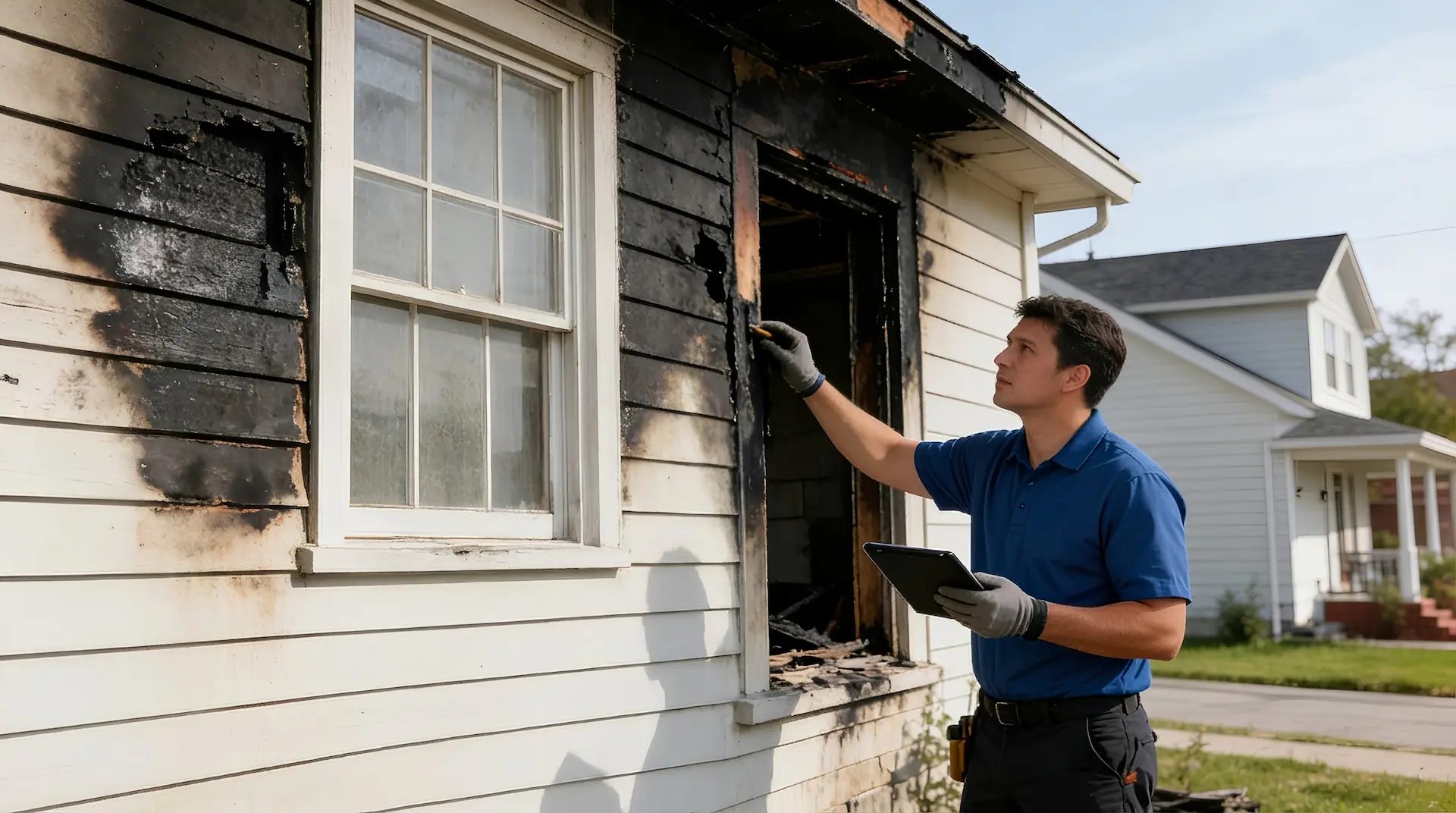
The combination of dry conditions and strong winds, like the Santa Ana winds that have prompted Red Flag Warnings in Los Angeles County [news-1, news-2], significantly elevates the risk of wildfires. While direct fire damage is catastrophic, smoke and soot can also cause extensive damage to the interior of properties, even those not directly in the fire's path. After a wildfire, a professional assessment for fire damage restoration is necessary. This includes cleaning and deodorizing affected areas, repairing or replacing damaged building materials, and addressing any potential structural issues caused by the heat or fire suppression efforts. Swift action is key to mitigating long-term damage and restoring your home.
Key takeaways
- Document all damage thoroughly with photos, videos, and inventories for insurance claims.
- Address water damage within 48 hours to prevent mold and structural issues.
- Inspect for structural damage after storms, floods, or high winds.
- High winds increase wildfire risk; be prepared for fire and smoke damage restoration.
- Seek professional help for water damage restoration, mold remediation, and structural restoration.
Frequently asked questions
What should I do first if my property has water damage?
Your first step should be to stop the source of the water if possible and safe to do so, then begin documenting all damage with photos and videos. Promptly address any standing water and initiate drying processes to prevent further issues like mold growth, ideally within the first 48 hours.
How soon should I call for professional restoration services after a flood?
It is highly recommended to call for professional water damage restoration services as soon as possible, especially within the critical 48-hour window. The faster professionals can begin water extraction and drying, the less likely secondary damage such as mold and structural compromise will occur.
What are the signs of structural damage after a storm or flood?
Signs of structural damage can include new cracks in walls or foundations, sagging ceilings, warped floors, doors or windows that no longer open or close properly, and visible water intrusion in basements or attics. Any of these signs warrant a professional inspection for reconstruction or structural restoration.
How does wind affect my home's structure?
Strong winds, like those experienced during Santa Ana events, can exert significant force on your home. This can lead to damage to roofing materials, compromise window seals, cause siding to detach, and even create stress fractures in the building's frame, potentially leading to more serious structural issues over time.
Sources
- LA County issues Red Flag Warning as dangerous Santa Ana winds increase wildfire risk – FOX 11 Los Angeles
- Red Flag Warning raises wildfire concerns as Palisades reservoir remains offline – FOX 11 Los Angeles
- Life-threatening flash flooding reported across Oklahoma City, major flooding forecast on Canadian River – The Watchers – Watching the world evolve and transform
- Weekend of miserable severe storms to drench Southern Florida with heavy rain and flooding – FOX Weather