Skip to content
When disaster strikes and your property suffers water damage, the immediate concern is often cleanup and repair. Understanding the factors that contribute to the overall cost of water damage restoration can help you prepare and make informed decisions during a stressful time. While every situation is unique, several key elements consistently shape the final price.
Key points
- The extent of water damage is a primary cost determinant.
- Contaminated water sources lead to higher restoration expenses.
- The type of materials damaged influences repair and replacement costs.
- Specialized drying equipment and techniques are essential and factor into pricing.
- Reconstruction and structural restoration add significant costs but are vital for property integrity.
- Emergency response may incur additional fees.
The Scale of Water Damage
The most significant driver of water damage restoration costs is the extent of the damage. A minor leak affecting a small area will naturally be less expensive to address than widespread flooding that has permeated multiple rooms, structural elements, and even lower levels of a building. Professionals assess the affected square footage, the depth of water intrusion, and how far the moisture has spread into walls, floors, and ceilings. The longer water remains standing, the more pervasive it becomes, increasing the complexity and cost of drying and remediation.
Type of Water and Contamination Levels
Not all water is the same, and its source directly impacts the restoration process and associated costs. ‘Category 1’ water, often referred to as clean water from sources like a burst pipe or overflowing sink, is generally the easiest and least expensive to manage. ‘Category 2’ water, or gray water, comes from sources like washing machines or dishwashers and contains contaminants. ‘Category 3’ water, or black water, is highly contaminated and can originate from sewage backups or natural flooding, posing significant health risks. Restoring properties damaged by gray or black water requires more intensive cleaning, specialized equipment, and often more protective measures, leading to higher costs.
Materials Affected and Accessibility
The types of materials damaged by water also play a crucial role in pricing. Porous materials like drywall, carpeting, insulation, and untreated wood absorb moisture readily and may require removal and replacement. Non-porous materials such as tile or certain plastics might be salvageable with thorough drying and cleaning. Access to the affected areas also influences cost; difficult-to-reach spaces, like crawl spaces or attics, can increase labor time and require specialized equipment, thereby raising the overall expense of water damage restoration.
Drying, Dehumidification, and Air Quality
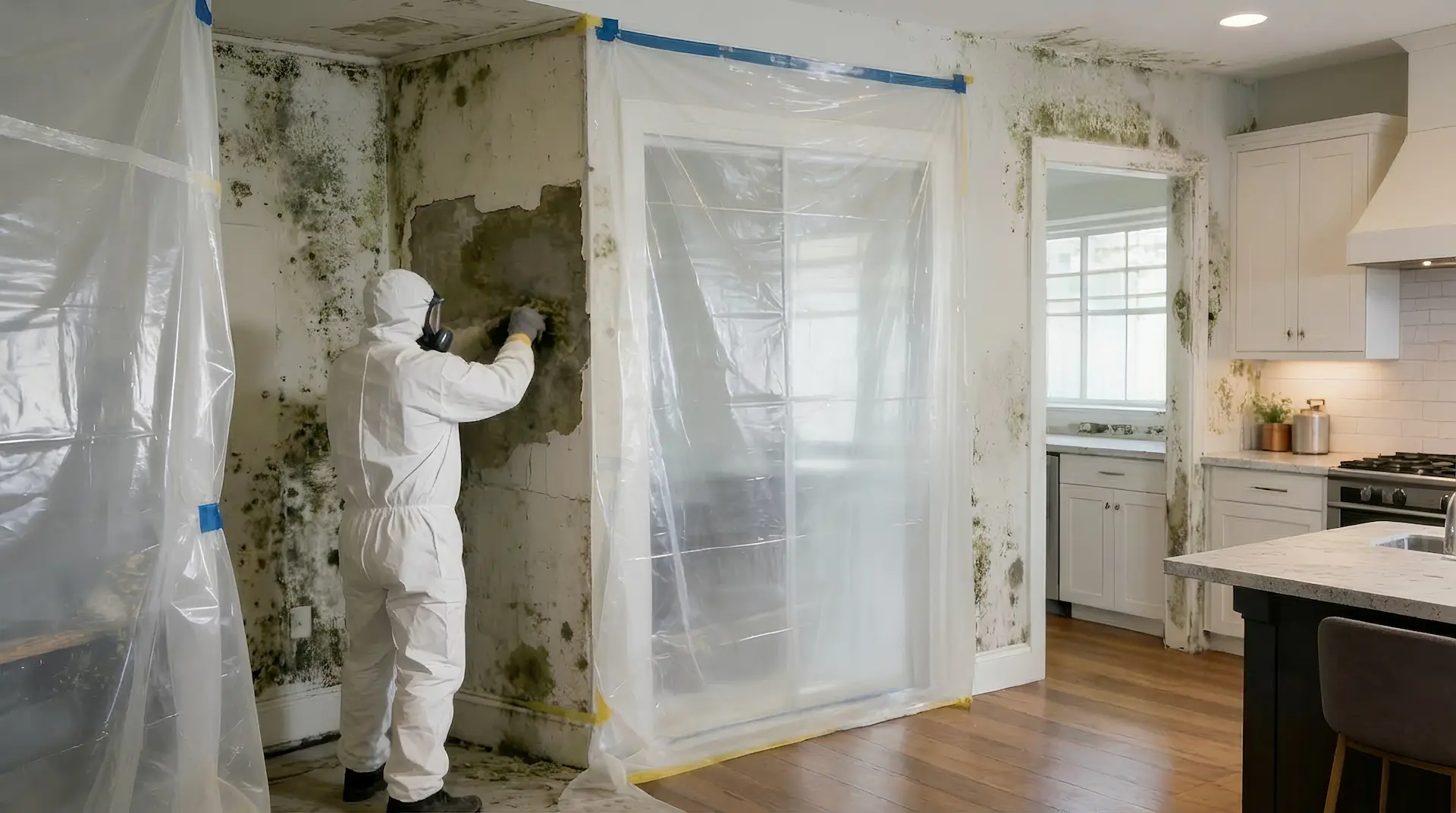
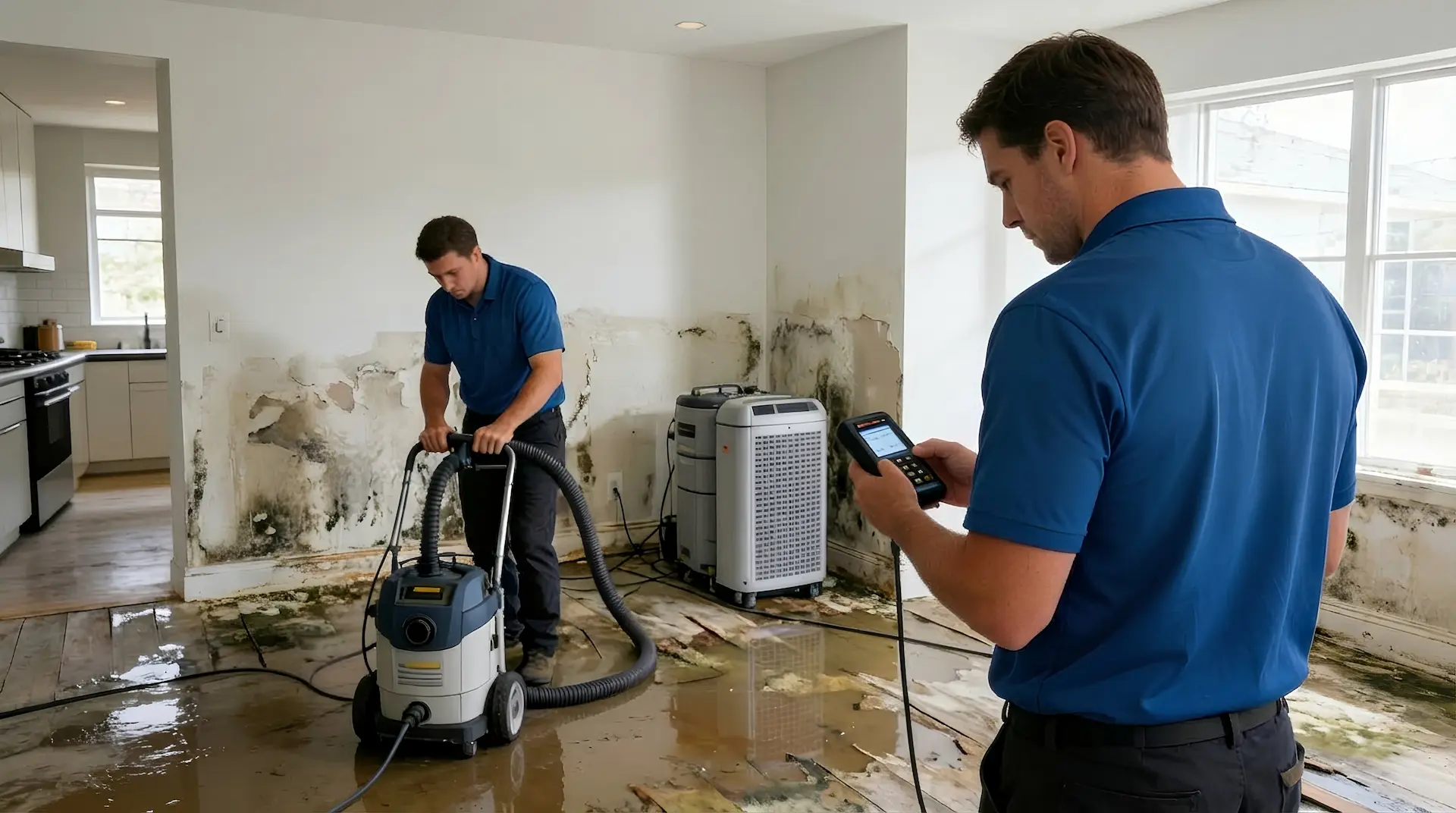
Effective drying is paramount after water damage. This involves specialized equipment such as industrial-strength air movers and dehumidifiers to remove moisture from the air and building materials. The number of units required, the duration they need to run, and the energy consumption all contribute to the cost. Furthermore, if mold growth has begun or is a risk, additional steps for mold remediation and air quality testing may be necessary, adding to the total expense of the water damage restoration process.
Reconstruction and Structural Restoration
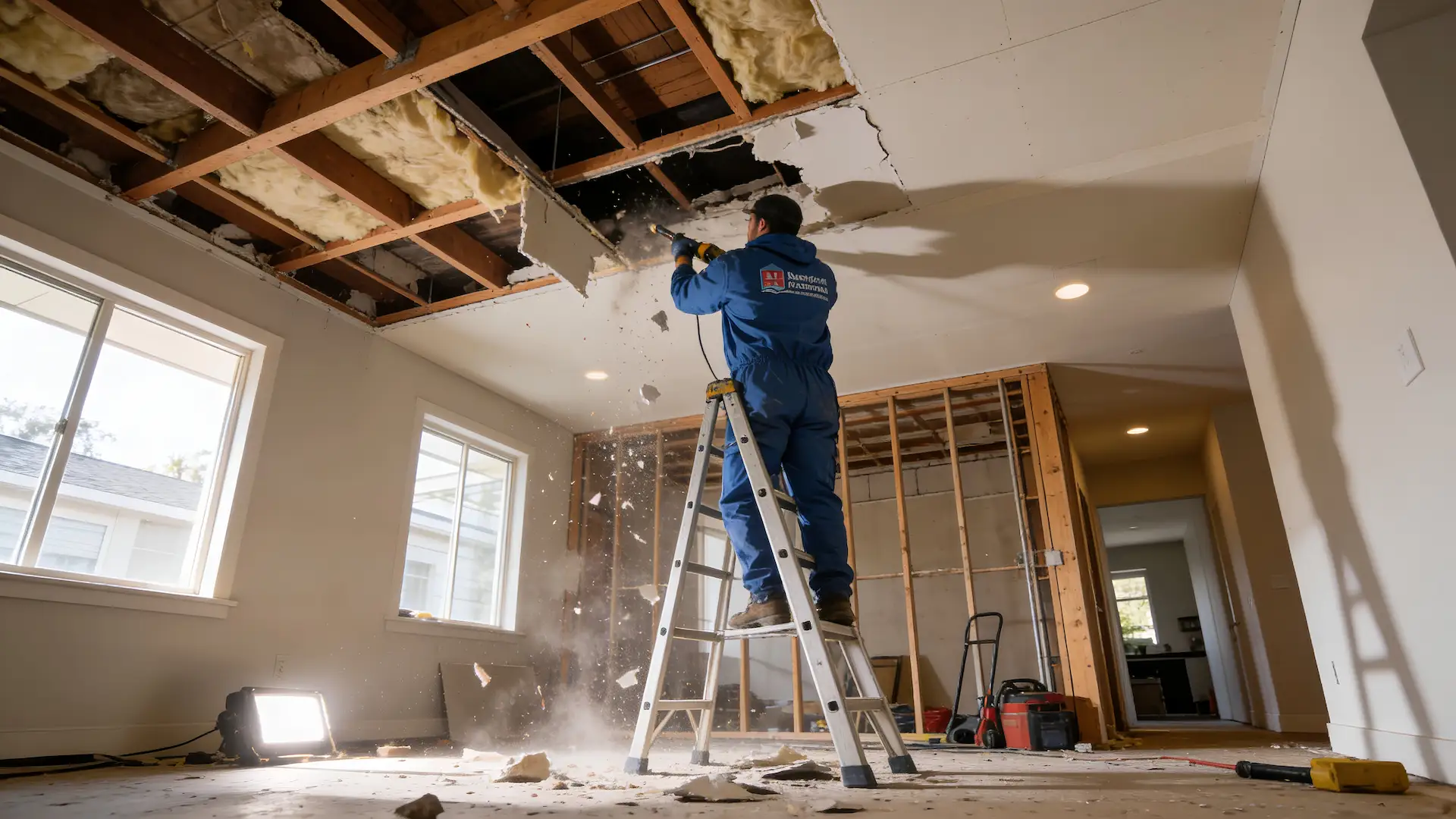
In cases of severe water damage, the initial cleanup and drying may be followed by reconstruction or structural restoration. This can involve repairing or replacing damaged structural components like subflooring, framing, or even roofing. The scope of this work, the complexity of the repairs, and the materials needed for reconstruction directly impact the final cost. While reconstruction and structural restoration can be a significant investment, it’s often essential for ensuring the long-term safety and integrity of the property.
Emergency Services and Timing
The urgency of the situation can also affect costs. If water damage occurs outside of standard business hours or requires immediate emergency water damage cleanup, you may incur higher charges for rapid response. While prompt action is critical to minimize damage and prevent further issues like mold, understanding that emergency services may come at a premium is important.
Common questions
What are the main factors influencing water damage restoration costs?
The primary factors influencing water damage restoration costs include the scale and severity of the water damage, the type and contamination level of the water, the materials affected, the need for specialized drying equipment, and whether reconstruction or structural restoration is required.
Does the type of water affect the cost of restoration?
Yes, the type of water significantly impacts cost. Clean water (Category 1) is least expensive to remediate, while contaminated gray water (Category 2) and highly unsanitary black water (Category 3) require more extensive cleaning, disinfection, and specialized procedures, increasing the overall expense.
When is reconstruction or structural restoration needed?
Reconstruction or structural restoration is typically needed when water damage has compromised the structural integrity of the building, damaged essential components like walls, floors, or framing, or when materials are too severely damaged to be salvaged through cleaning and drying alone.
Can mold growth increase water damage restoration costs?
Yes, if mold growth has occurred or is likely to occur due to prolonged moisture, additional costs will be incurred for mold detection, containment, removal, and remediation, as well as for air quality testing to ensure a safe environment.