Skip to content

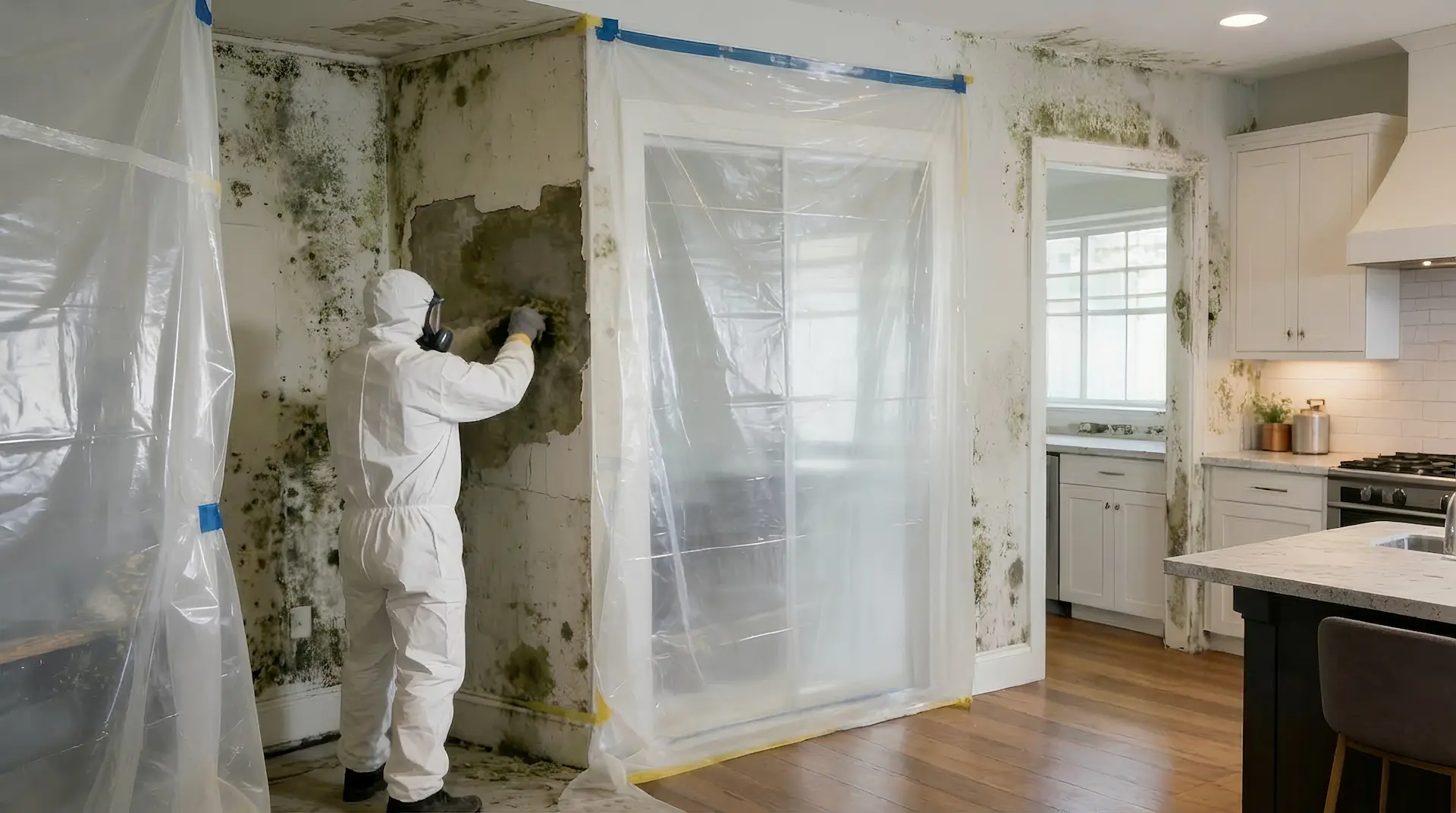
Mold can silently infest homes and businesses, posing risks to health and structural integrity. Recognizing the early warning signs is crucial before minor issues escalate into major problems requiring extensive mold remediation. This guide focuses on identifying those indicators so you can act promptly.
Key points
- A persistent musty odor is often the first indicator of mold growth.
- Visible mold, regardless of color, requires professional attention.
- Any sign of water intrusion or prolonged dampness creates a risk for mold.
- Discoloration, staining, and deteriorating building materials signal an established problem.
- Unexplained health symptoms like allergies or respiratory issues can be linked to mold exposure.
- Prompt action is key to preventing mold from causing extensive damage and requiring reconstruction.
The Pervasive Smell of Mold
One of the most common and often earliest indicators of a mold problem is an unusual odor. This smell is frequently described as musty, earthy, or damp, and it doesn’t go away with ventilation. If you notice this persistent smell, especially in specific areas like bathrooms, basements, attics, or around windows, it’s a strong signal that mold may be growing out of sight. The source of the odor is the mold itself, releasing microbial volatile organic compounds (MVOCs) into the air. Don’t ignore this olfactory clue; it’s your nose telling you something is wrong.
Visible Mold Growth
While hidden mold is a concern, visible mold is an undeniable sign that remediation is needed. Mold can appear in a variety of colors, including black, green, white, orange, or blue, and its texture can range from fuzzy to slimy. Common areas for visible growth include walls, ceilings, floors, window sills, and around pipes or appliances where moisture collects. Even small patches of mold should be addressed promptly, as mold spores spread easily and can quickly colonize new areas if conditions are favorable. The presence of visible mold indicates a more established infestation.
Moisture and Water Intrusion
Mold thrives in damp environments. Therefore, any sign of excessive moisture or water damage is a precursor to potential mold growth. This includes leaks from roofs, plumbing, or windows, as well as condensation issues. Persistent dampness in crawl spaces, basements, or bathrooms creates an ideal breeding ground for mold. If you’ve recently experienced flooding or a significant water event, even if it seemed to be managed, mold can begin to grow within 24-48 hours. Addressing the source of moisture is the first step before any mold remediation can be effective. This is where professional water damage restoration becomes critical.
Discoloration and Staining
Mold growth often manifests as discoloration on surfaces. You might observe dark spots, streaks, or splotches on walls, ceilings, or even fabrics. These stains can sometimes be mistaken for dirt or mildew, but if they appear in areas with consistent moisture or are accompanied by a musty smell, they are highly suspect for mold. The staining is a direct result of the mold consuming and altering the material it’s growing on. Persistent or spreading discoloration warrants a closer inspection and potentially professional mold remediation.
Health Symptoms and Allergic Reactions
For many individuals, the first noticeable impact of mold is an increase in allergy-like symptoms. These can include sneezing, runny nose, itchy eyes, coughing, wheezing, or skin rashes. People with asthma or compromised immune systems may experience more severe reactions. If you or your family members are experiencing unexplained or worsening respiratory issues or allergic reactions, especially when spending time in a particular building, mold exposure could be the culprit. While these symptoms can have many causes, a sudden onset or cluster of symptoms in relation to your environment is a significant clue.
Deteriorating Building Materials
Over time, mold can compromise the structural integrity of your property. You might notice peeling paint or wallpaper, crumbling drywall, warped wood, or sagging ceilings. These are signs that mold has been active for a while and is actively degrading the materials it inhabits. If left unchecked, mold can spread into wall cavities, under flooring, and into structural elements, necessitating more extensive repairs, potentially including reconstruction or structural restoration. Ignoring these physical signs can lead to much costlier repairs down the line.
Common questions
What are the first signs of mold in a home?
The first signs of mold are typically a persistent musty odor and visible signs of growth, though mold can also be hidden behind walls or under flooring.
How quickly does mold grow?
Mold can begin to grow within 24 to 48 hours in damp conditions, especially after water damage or leaks.
Can I clean mold myself?
Small areas of surface mold may be cleaned by homeowners, but widespread or deeply embedded mold requires professional mold remediation to ensure it is fully removed and does not return.
What is the difference between mold and mildew?
Mildew is a type of mold that typically appears as a flat, powdery surface growth, often white or gray. Other molds can be fuzzy, slimy, and come in various colors, and can penetrate deeper into materials.
When should I consider reconstruction or structural restoration?
Reconstruction or structural restoration becomes necessary when mold or water damage has significantly weakened or destroyed building materials, impacting the stability and safety of the structure.