Skip to content

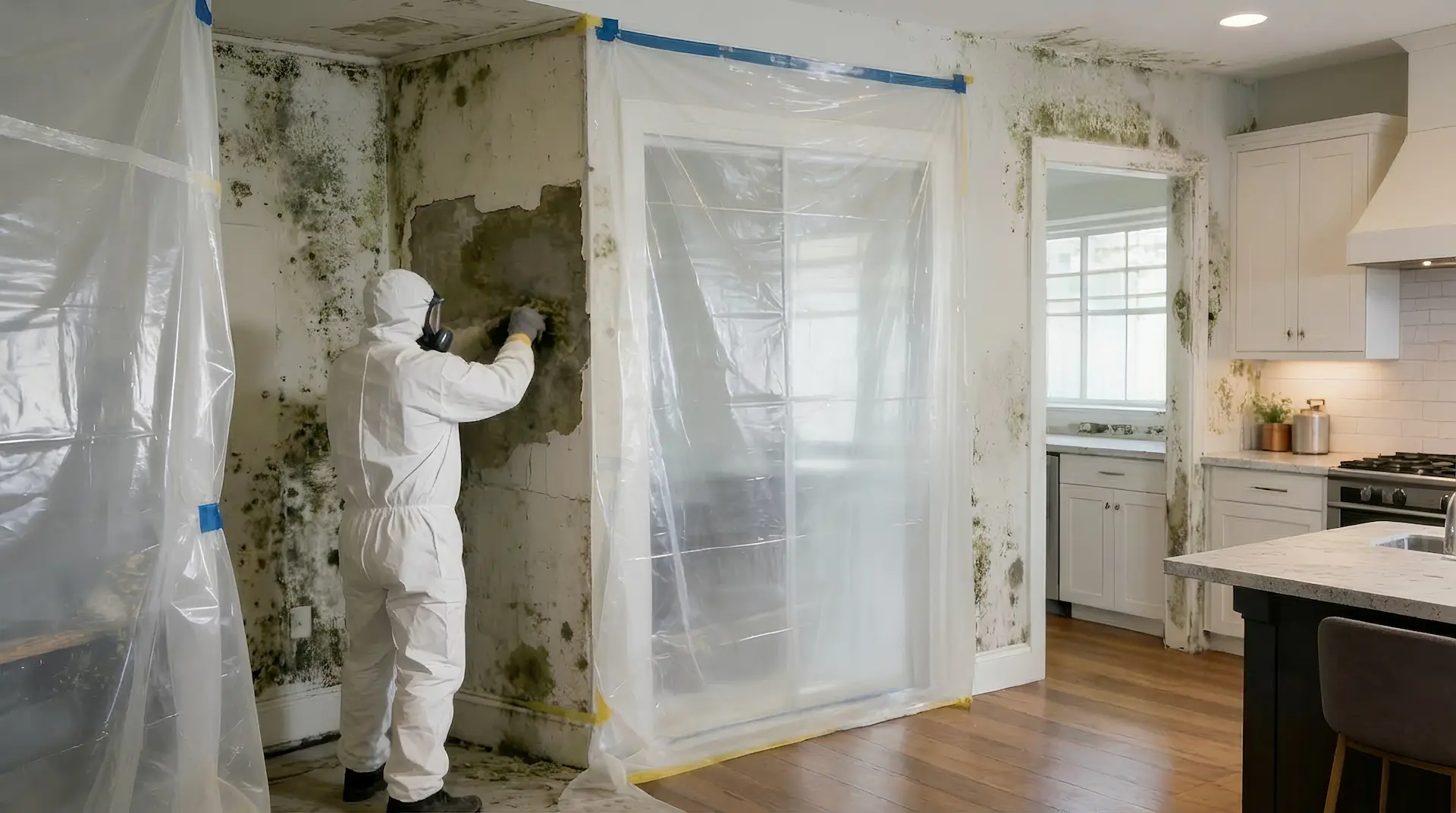
Discovering mold in your home or business can be unsettling. Beyond the visible signs, mold can pose health risks and structural damage if left untreated. When it’s time to address a mold problem, understanding the potential costs involved is crucial. Mold remediation is a specialized process, and its price isn’t fixed. Several variables influence the final expense, from the initial assessment to the complete restoration of affected areas.
Key points
- The size and location of the mold infestation are primary cost drivers.
- The type of mold and its toxicity influence the complexity and safety measures required.
- Porous materials that need removal and replacement increase remediation expenses.
- Containment and safety protocols are essential and add to the overall cost.
- Post-remediation testing is crucial for verification and contributes to the final bill.
Assessing the Scope of Mold Growth
The single most significant factor influencing mold remediation costs is the scale of the infestation. A small, localized patch of mold in an easily accessible area will naturally cost less to address than a widespread problem affecting multiple rooms or structural components. Professionals begin with a thorough inspection to determine the full extent of the mold. This assessment considers not just the visible mold but also potential hidden growth within walls, ceilings, or HVAC systems. The more areas and materials contaminated, the more labor, containment measures, and specialized equipment will be required, driving up the overall expense.
Type of Mold and Contamination Level
Not all molds are created equal, and some types present greater challenges and risks. Certain molds, like Stachybotrys chartarum (often referred to as black mold), are more toxic and require more stringent containment and handling protocols. The concentration of mold spores in the air also plays a role. High levels of airborne spores necessitate advanced air filtration and purification systems, increasing remediation costs. The nature of the contamination—whether it’s surface mold or deeply embedded—dictates the removal techniques and time needed.
Affected Materials and Structural Restoration
The materials that have become contaminated significantly impact the cost of mold remediation. Porous materials like drywall, insulation, carpets, and wood can absorb mold and its spores. Often, these materials cannot be fully cleaned and must be carefully removed and replaced. This process falls under reconstruction or structural restoration. Non-porous materials like tile, glass, or metal may be salvageable with thorough cleaning. The more extensive the damage to structural elements, the higher the cost will be due to the need for demolition, disposal, and rebuilding. This can sometimes be linked to the aftermath of water damage restoration or even fire damage restoration if mold growth occurred due to lingering moisture.
Containment and Safety Protocols
Effective mold remediation requires strict containment to prevent the spread of spores to unaffected areas of the property. This involves setting up negative air pressure environments, sealing off work areas with plastic sheeting, and using specialized equipment like HEPA filters. The complexity and size of the containment required depend on the extent of the mold. Professional remediation services adhere to rigorous safety standards to protect both their workers and the occupants of the building. These safety measures, including personal protective equipment (PPE) and air monitoring, add to the overall project cost.
The Remediation Process and Equipment
The actual mold removal process can vary. It might involve dry ice blasting, soda blasting, or traditional cleaning methods using specialized antimicrobial solutions. The choice of method depends on the type of mold and the affected surfaces. Advanced equipment, such as industrial-grade dehumidifiers, air scrubbers, and specialized cleaning tools, is essential for thorough remediation. The rental or use of this equipment, along with the labor involved in operating it and performing the cleaning and drying tasks, contributes to the final price.
Post-Remediation Testing and Verification
After the initial mold removal, it’s common practice to conduct post-remediation testing. This involves air quality testing and surface sampling to verify that the mold levels have returned to safe, pre-existing conditions. Independent third-party testing provides an objective assessment of the remediation’s success. Ensuring the environment is truly mold-free is a critical step that adds to the overall cost but is vital for peace of mind and health.
Common questions
What is the average cost of mold remediation?
The cost of mold remediation varies widely, with no single average price. Expenses depend heavily on the size and complexity of the mold problem, the types of materials affected, and the extent of necessary reconstruction or structural restoration.
Does mold remediation include fixing the water source?
Effective mold remediation must address the underlying moisture issue that allowed the mold to grow. While the primary focus is on mold removal, identifying and repairing the source of water damage is a necessary part of a complete solution to prevent recurrence.
Can I clean up small amounts of mold myself?
For very small, surface-level mold issues in non-porous areas, some DIY cleaning might be possible with appropriate safety precautions. However, for significant growth, hidden mold, or mold on porous materials, professional mold remediation is strongly recommended to ensure complete and safe removal.
How long does mold remediation take?
The duration of mold remediation depends on the severity of the contamination. Small jobs might take a day or two, while extensive infestations requiring significant reconstruction or structural restoration could take weeks.