Skip to content
Mold can be more than just an unsightly nuisance; it can pose significant risks to your health and the structural integrity of your property. Understanding the process of mold remediation is key to addressing infestations effectively and preventing future problems. This guide explains what mold remediation involves, from initial assessment to final clearance, emphasizing the importance of professional intervention for thorough and safe removal.
Key points
- Mold remediation is a systematic process to remove and control mold.
- Professional remediation is crucial for extensive mold growth and health safety.
- Identifying and fixing moisture sources is key to preventing mold recurrence.
- Containment, removal, and cleaning are core steps in the remediation process.
- Prompt action and professional help are vital when dealing with mold infestations.
What is Mold Remediation?
Mold remediation is the process of identifying, removing, and controlling mold growth in a building. It’s a specialized service designed to eliminate mold colonies and address the underlying moisture issues that allow them to thrive. The goal is not just to clean visible mold but to restore the affected area to a safe and healthy condition. This can involve a range of activities, depending on the extent and type of mold present. Professionals use specific protocols to contain the spread of mold spores during the remediation process, protecting unaffected areas of the property and its occupants.
The Mold Remediation Process Explained
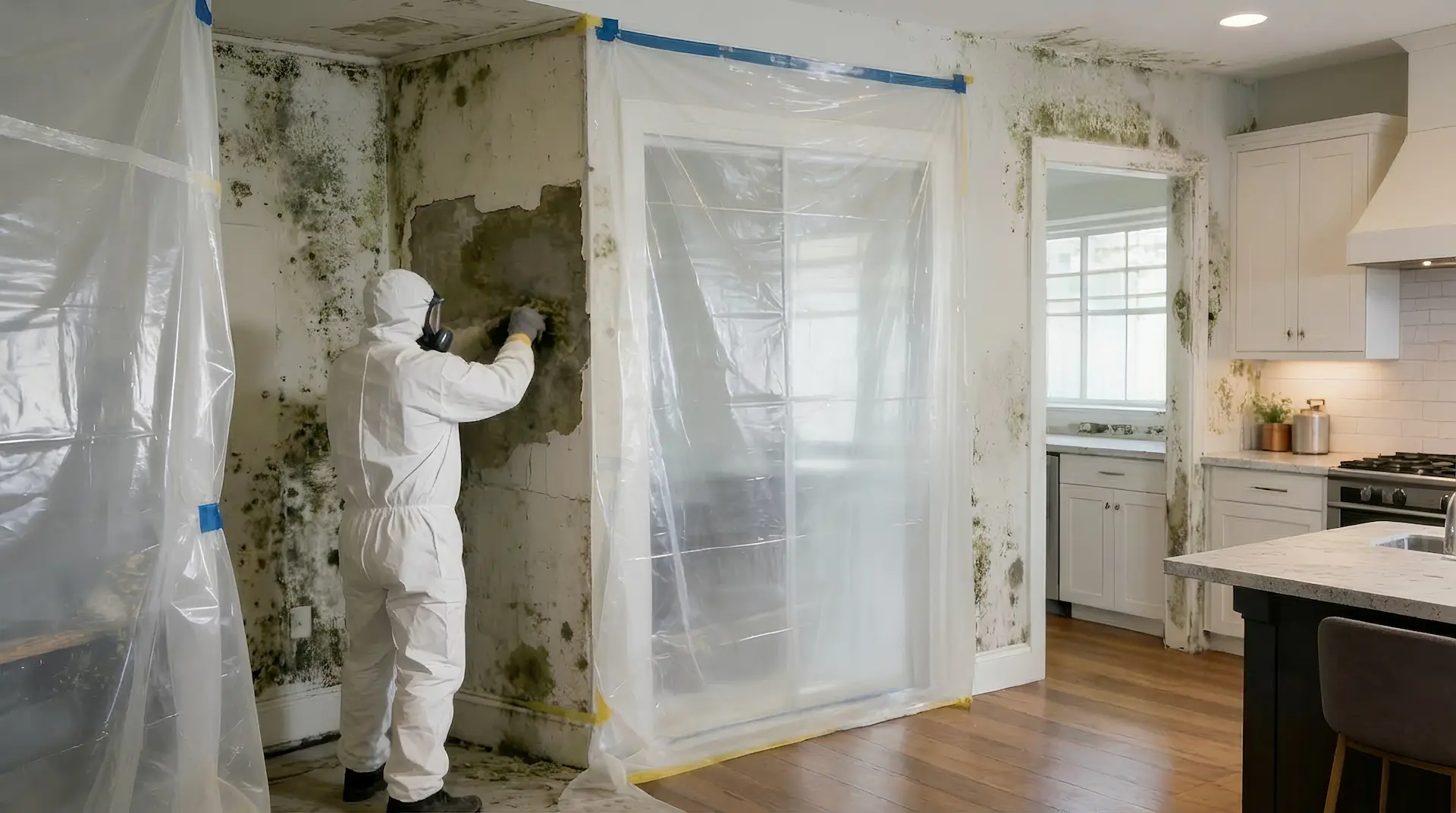
The remediation process typically begins with a thorough inspection and assessment to determine the type and extent of mold growth. This often involves air and surface sampling to identify the species of mold and measure spore counts. Once the scope of the problem is understood, containment is the next critical step. Barriers, such as plastic sheeting and negative air pressure, are used to prevent mold spores from spreading to other parts of the building. After containment, the mold is carefully removed. This can involve cleaning contaminated surfaces, removing and discarding severely damaged materials like drywall or insulation, and HEPA-vacuuming to capture airborne spores. Finally, the affected areas are thoroughly cleaned and dried. Post-remediation testing may be conducted to ensure that mold spore levels have returned to normal, confirming the success of the remediation efforts. This structured approach ensures that mold is addressed comprehensively and safely.
Why Professional Mold Remediation is Essential
While minor mold spots might seem like a DIY job, extensive mold growth or mold hidden within walls requires professional expertise. Certified mold remediation specialists have the training, equipment, and protective gear necessary to handle mold safely and effectively. They understand how mold spreads and can implement strategies to prevent cross-contamination. Improper removal can aerosolize spores, making the problem worse and potentially leading to health issues for occupants. Professionals also have access to specialized cleaning agents and drying equipment that ensure all traces of mold and moisture are eliminated. For significant mold issues, professional remediation is not just recommended; it’s often essential for the health and safety of everyone in the building and for the long-term preservation of the property.
Addressing Underlying Moisture Issues
Mold cannot grow without moisture. Therefore, effective mold remediation must include identifying and fixing the source of the water problem. This could be anything from a leaky pipe or roof, inadequate ventilation, or past water damage from events like flooding. Without addressing the root cause, mold will likely return, even after thorough cleaning. Professionals will help diagnose these moisture issues, which might involve working with plumbers or other specialists. Solutions could range from repairing plumbing, improving attic or basement ventilation, or addressing grading issues around the foundation. This integrated approach, combining removal with prevention, is crucial for a lasting solution.
When to Consider Professional Help
You should consider professional mold remediation if you discover more than a few square feet of mold, if the mold is in a hard-to-reach area, or if you suspect mold is present but cannot see it. Symptoms like persistent musty odors, visible mold growth, or unexplained health issues such as allergies, asthma flare-ups, or respiratory problems can indicate a mold problem. If your property has experienced significant water damage from events like storms or plumbing failures, a professional assessment is highly recommended, as mold can develop rapidly in damp conditions. For comprehensive mold control and peace of mind, engaging a qualified mold remediation service is the most reliable course of action.
Common questions
What is the primary goal of mold remediation?
The primary goal of mold remediation is to safely and effectively remove existing mold growth and prevent its recurrence by addressing the moisture sources that fuel it, thereby restoring a healthy indoor environment.
Can I remove mold myself?
For small, isolated areas of mold (less than about 10 square feet) on non-porous surfaces, some DIY removal may be possible with appropriate safety gear. However, for larger infestations, mold within porous materials, or if you have respiratory sensitivities, professional mold remediation is strongly advised to ensure complete removal and prevent spore dispersal.
How long does mold remediation take?
The duration of mold remediation varies greatly depending on the size and severity of the mold infestation, the extent of contamination, and the complexity of the affected areas. Simple cases might take a few days, while larger or more complex projects could extend to a week or more.
What are the health risks associated with mold?
Mold exposure can cause a range of health issues, including allergic reactions, asthma exacerbations, respiratory problems, and other symptoms like nasal congestion, eye irritation, skin rashes, and fatigue, particularly for sensitive individuals.
How can I prevent mold from returning after remediation?
Preventing mold recurrence involves controlling indoor humidity levels (ideally between 30-50%), ensuring proper ventilation in moisture-prone areas like bathrooms and kitchens, promptly fixing any water leaks, and maintaining good airflow throughout the property.