Skip to content

A fire in your home or business can be devastating. Beyond the immediate destruction, the aftermath presents a complex cleanup and restoration challenge. Understanding what drives the costs associated with fire damage restoration is crucial for property owners navigating this difficult period. Several variables determine the final expense, from the initial extent of the blaze to the specialized techniques required for a full recovery.
Key points
- The scale of the fire is the most significant cost determinant.
- Soot and smoke remediation requires specialized techniques and impacts price.
- Structural restoration and reconstruction add substantial costs when needed.
- Water damage from firefighting is a common and costly factor.
- Content restoration and emergency response times influence the final bill.
Assessing the Scope of Fire Damage
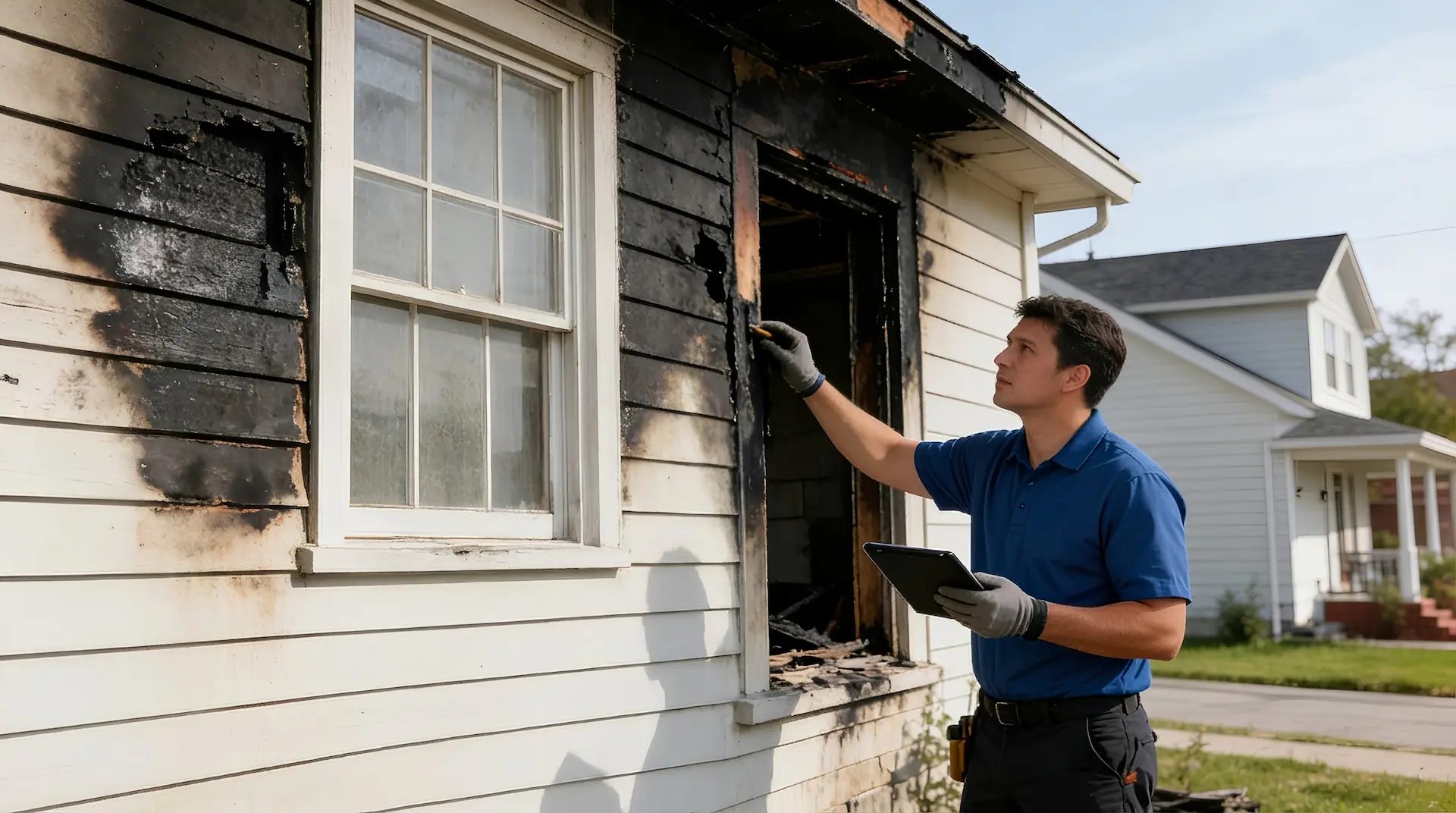
The primary driver of fire damage restoration costs is the severity and spread of the fire. A small, contained fire will naturally incur lower expenses than a blaze that has engulfed a significant portion of the structure. Professionals will conduct a thorough assessment to determine the full extent of the damage. This includes evaluating structural integrity, the presence of smoke and soot throughout the property, and any collateral damage caused by firefighting efforts, such as water used to extinguish the flames. Areas that appear superficially unaffected may still require professional attention due to smoke odor penetration or hidden structural compromise.
Soot and Smoke Remediation Techniques
Smoke and soot are insidious byproducts of fire that can permeate every crevice. Their removal is a critical and often costly part of the restoration process. Different types of smoke (wet smoke, dry smoke, protein smoke, and fuel oil smoke) require distinct cleaning agents and methods. Dry smoke, for instance, can be removed with dry-cleaning sponges, while wet smoke may necessitate more aggressive chemical cleaners. Odor removal is another significant consideration. Specialized equipment like ozone generators and thermal foggers may be needed to neutralize persistent smoke odors, adding to the overall expense. The thoroughness of this cleaning directly impacts the habitability and air quality of the restored space.
Structural Restoration and Reconstruction Needs
In severe cases, fire damage can compromise the structural integrity of a building. This necessitates reconstruction or structural restoration services. This can involve repairing or replacing damaged framing, drywall, roofing, and other essential components. The complexity of these repairs will significantly influence the total cost. For example, replacing a few studs is less expensive than rebuilding an entire wall or floor. The need for specialized materials, the duration of the reconstruction phase, and the labor involved all contribute to the final bill. Advanced techniques may be required to ensure the building’s safety and stability post-fire.
Water Damage Restoration from Firefighting
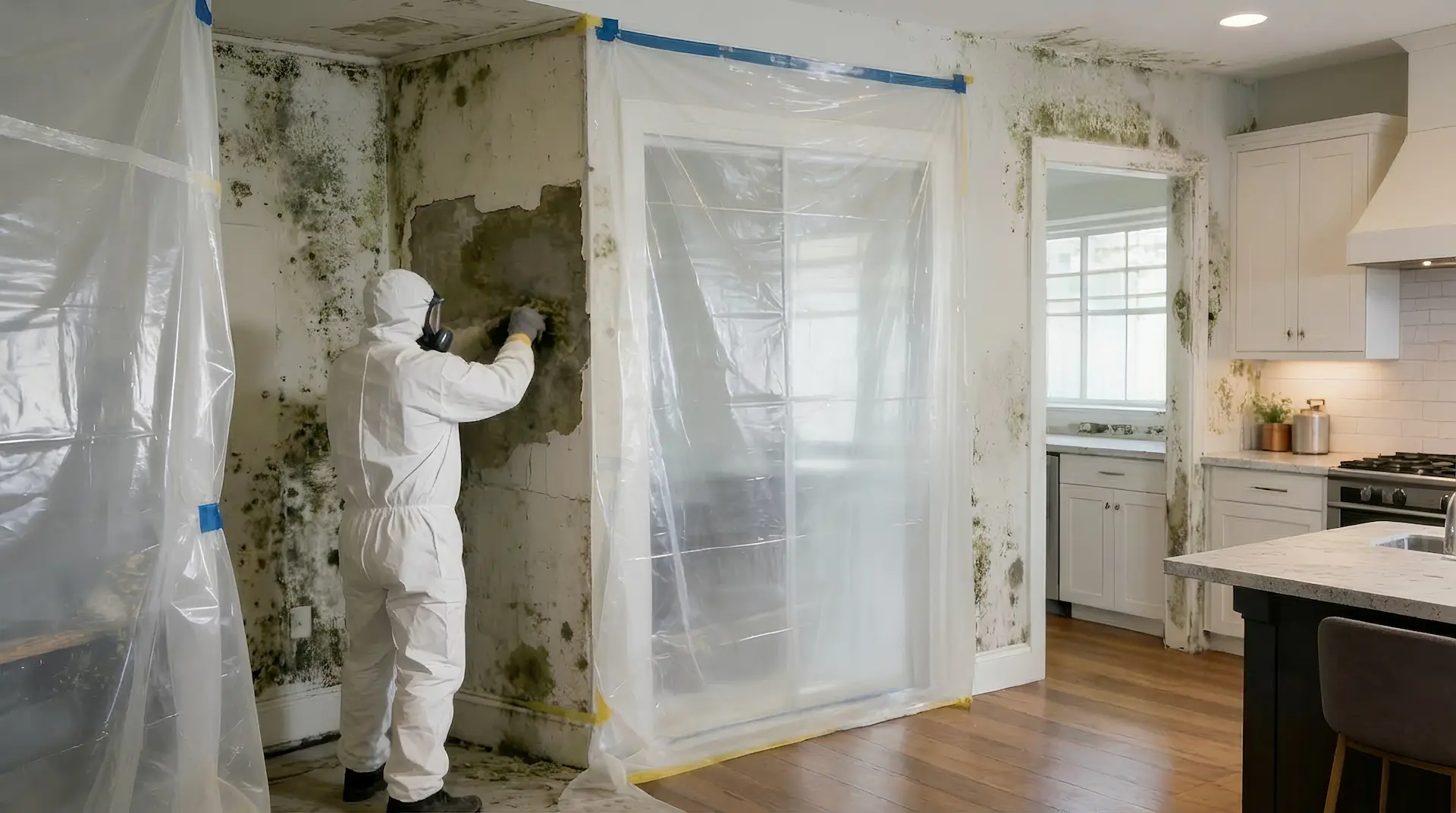
Ironically, the very efforts to extinguish a fire often introduce significant water damage. Firefighters use large volumes of water, which can saturate building materials, lead to mold growth if not addressed promptly, and cause further structural issues. Water damage restoration is a separate but often intertwined cost associated with fire recovery. This process involves water extraction, drying of affected materials using industrial-grade dehumidifiers and air movers, and potential replacement of water-damaged items like carpets, insulation, and drywall. The longer water remains present, the more extensive and costly the remediation becomes.
Specialized Cleaning and Content Restoration
Beyond the structure itself, personal belongings and business inventory often suffer damage. The cost of fire damage restoration extends to cleaning and restoring these contents. This can involve specialized cleaning for furniture, electronics, documents, and other valuable items. Some items may be salvageable through professional cleaning and restoration processes, while others may be beyond repair and require replacement. The decision to restore or replace contents depends on their value, the extent of damage, and the cost-effectiveness of professional restoration services. This specialized work requires trained technicians and specific equipment.
Emergency Response and Time Sensitivity
The speed at which fire damage restoration begins can impact both the effectiveness of the cleanup and the overall cost. Prompt emergency response is critical to mitigate further damage, especially from smoke and water. Services provided in the immediate aftermath, such as emergency board-ups to secure the property and initial water extraction, are often priced as emergency services. Delaying professional intervention can allow smoke residue to set deeper into materials and water to spread, leading to more extensive damage and, consequently, higher restoration costs. The urgency of the situation often dictates the resources and staffing required, which can influence pricing.
Common questions
What are the main factors influencing fire damage restoration costs?
The main factors influencing fire damage restoration costs include the extent and type of fire damage, the complexity of soot and smoke removal, the need for structural restoration or reconstruction, the amount of water damage from firefighting efforts, and the restoration of personal contents.
Does water damage from firefighting add to restoration costs?
Yes, water damage from firefighting efforts significantly adds to restoration costs. This requires separate processes for water extraction, drying, and potential material replacement, which are essential to prevent further issues like mold.
How does smoke and soot affect the price of restoration?
Smoke and soot require specialized cleaning techniques and odor removal processes, which add to the price of restoration. Different types of smoke necessitate varied approaches, and thorough odor elimination is crucial for habitability.
Is reconstruction always part of fire damage restoration?
Reconstruction or structural restoration is only part of fire damage restoration when the fire has compromised the building’s structural integrity. The extent of this damage directly correlates with the reconstruction costs.