Skip to content
When your Tarzana property suffers significant damage, whether from water, fire, or mold, the process of reconstruction and structural restoration can feel overwhelming. Choosing the right provider is crucial for a successful outcome. This guide will help you understand the key factors to consider when selecting a company for these critical services.
Key points
- Reconstruction and structural restoration addresses significant property damage.
- Specialized services exist for water damage restoration, fire damage restoration, and mold remediation.
- Carefully vet potential providers based on experience, credentials, and communication.
- Understand the restoration process and maintain open communication with your chosen company.
- Thorough documentation is crucial throughout the restoration project.
Understanding Reconstruction and Structural Restoration
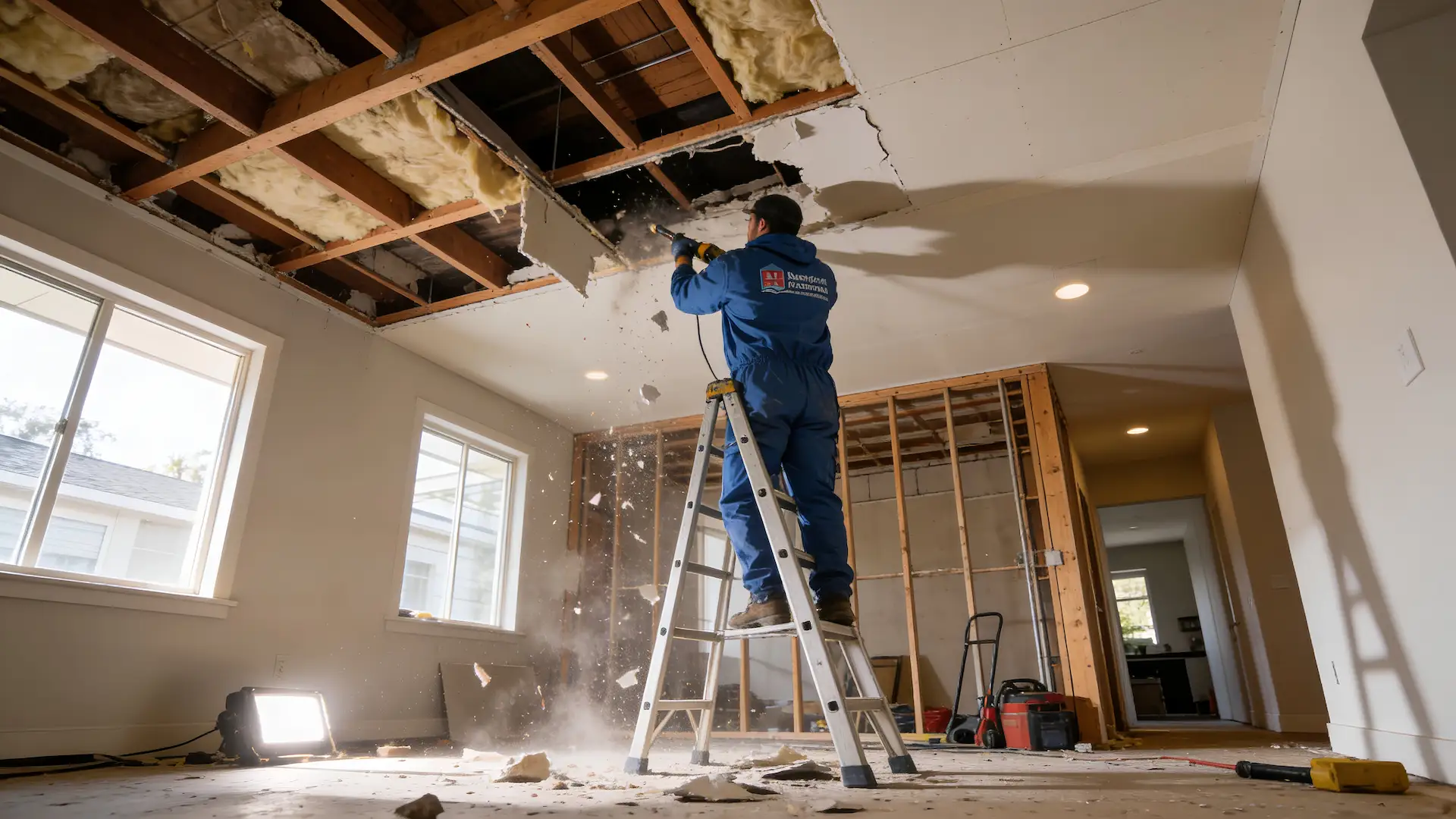
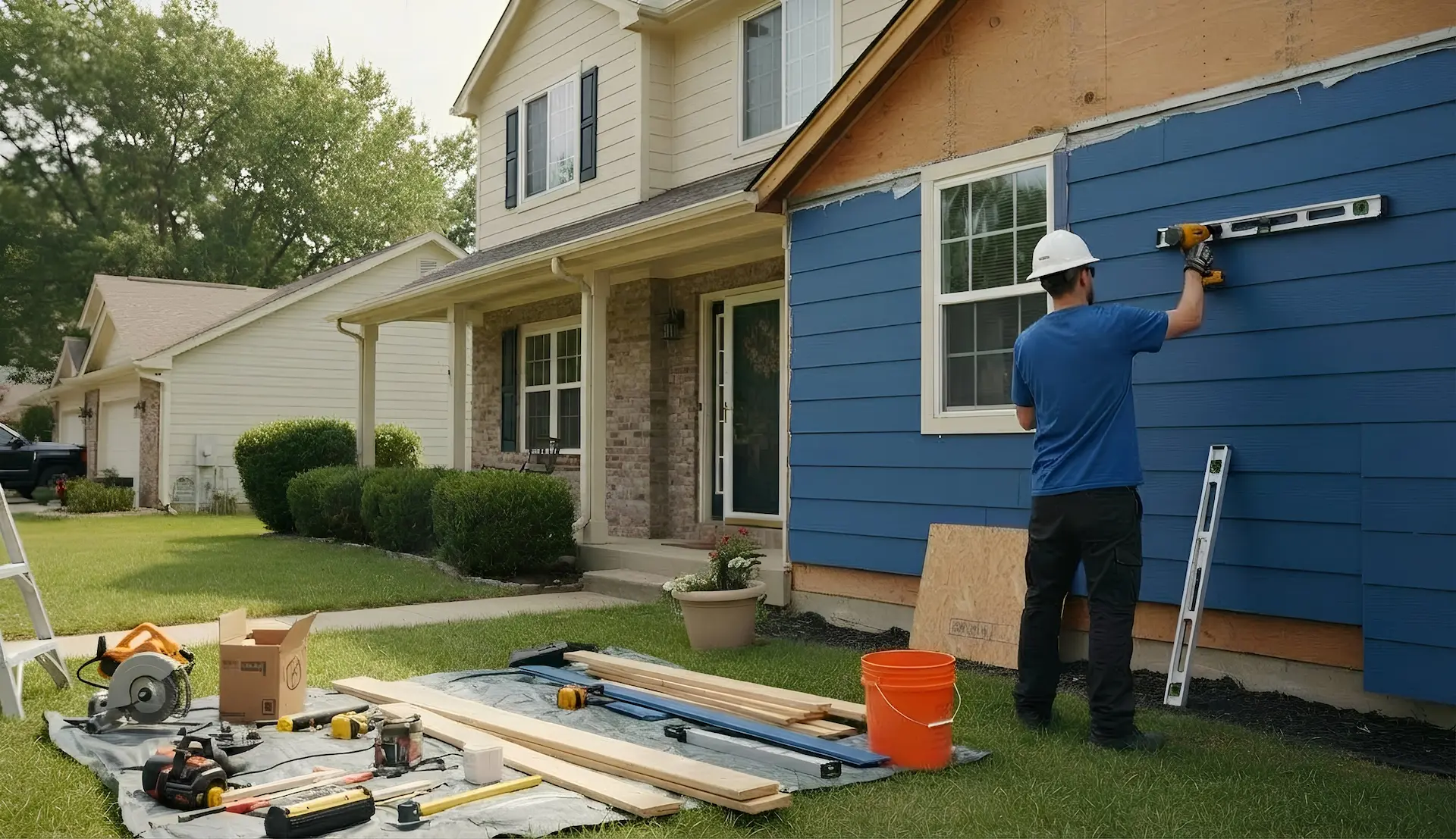
Reconstruction and structural restoration refers to the comprehensive process of repairing and rebuilding a property after it has been damaged by events like fires, floods, or severe mold infestations. This goes beyond simple cosmetic fixes. It involves assessing the structural integrity of the building, addressing hidden damage, and restoring the property to its pre-loss condition or better. Services often include debris removal, structural stabilization, mold remediation, water damage restoration, and rebuilding damaged areas. A professional team will assess the full scope of work, from the initial cleanup to the final finishing touches, ensuring all repairs are code-compliant and durable.
Key Services: Water, Fire, and Mold Damage
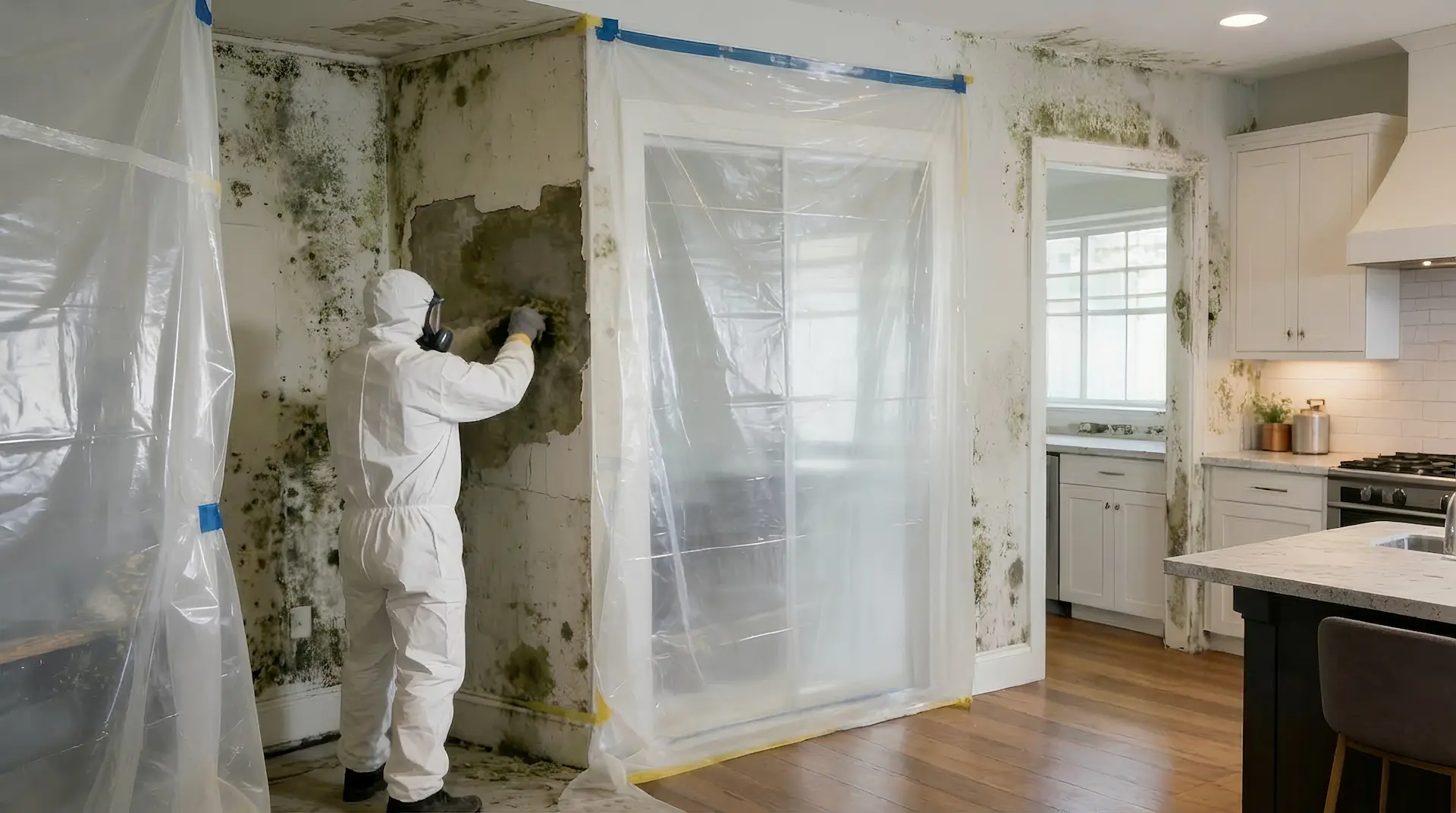
Specialized restoration services address distinct types of damage. Water damage restoration involves drying out affected areas, preventing further structural decay, and removing contaminated materials. This is critical to avoid secondary issues like mold growth. Fire damage restoration tackles the aftermath of a fire, including soot removal, smoke odor neutralization, and rebuilding charred or compromised structures. Mold remediation focuses on identifying the source of mold, safely removing it, and implementing preventative measures to stop its return. Each of these requires specific expertise and equipment for effective and safe resolution.
Criteria for Selecting a Restoration Provider
When selecting a company for reconstruction or structural restoration, several factors warrant careful consideration. Look for providers with proven experience in handling the specific type of damage your property has sustained, be it water damage restoration, fire damage restoration, or mold remediation. Verify their credentials and insurance coverage. A reputable company will be transparent about their processes, provide detailed estimates, and offer clear communication throughout the project. Ask about their emergency response capabilities, especially if immediate attention is needed. Client testimonials and reviews can offer valuable insights into their reliability and the quality of their work.
The Restoration Process: What to Expect
The restoration process typically begins with an initial assessment and emergency response, if necessary, to mitigate further damage. This is followed by a detailed damage evaluation, which may involve specialized equipment to detect hidden moisture or structural weaknesses. A comprehensive plan is then developed, outlining the scope of work, timeline, and cost. Actual restoration activities can include structural repairs, water extraction, drying, mold removal, and rebuilding. Throughout the process, regular communication with the restoration team is essential to stay informed about progress and any unforeseen challenges. The final steps involve cleaning, final inspections, and project completion.
Importance of Proper Documentation and Communication
Maintaining thorough documentation is vital throughout the reconstruction and structural restoration process. This includes all inspection reports, detailed estimates, invoices, and communication logs. Clear and consistent communication with your chosen provider ensures that your expectations are met and that the project stays on track. Don’t hesitate to ask questions about the procedures, materials, and timelines. A good restoration company will welcome your engagement and provide clear, understandable answers, fostering a collaborative approach to restoring your property.
Common questions
What is reconstruction and structural restoration?
Reconstruction and structural restoration is the process of repairing and rebuilding a property damaged by events like fire, water, or mold, focusing on restoring its integrity and safety.
What are the main types of damage restoration services?
The main types of damage restoration services include water damage restoration, fire damage restoration, and mold remediation, each addressing specific types of property damage.
How do I choose the right restoration provider?
To choose the right provider, look for experience with your specific damage type, verified credentials, clear estimates, good communication, and positive client reviews.
Why is communication important during restoration?
Communication is important to ensure your expectations are met, the project stays on schedule, and you are kept informed about progress and any issues that arise.